The National Agricultural Marketing Council (NAMC) addressed this issue in a media statement published on 12 October 2026, reporting that South Africa was entering the potential El Niño season in a stronger position than during the 2015/16 drought, although significant risks remained for farmers and food systems.
The assessment highlights an important distinction for the agricultural industry. A stronger starting position does not guarantee a favourable season. Farmers still need to prepare for uncertainty, manage water carefully and make production decisions that reflect their individual circumstances.
For commercial producers, emerging farmers, agricultural financiers and input suppliers, climate preparedness is increasingly part of sound business planning rather than a separate environmental concern.
Why El Niño matters to agriculture
El Niño is a climate phenomenon associated with changes in ocean temperatures in the equatorial Pacific and shifts in atmospheric circulation. Its effects vary by region, season and event, but it can influence rainfall and temperature patterns across southern Africa.
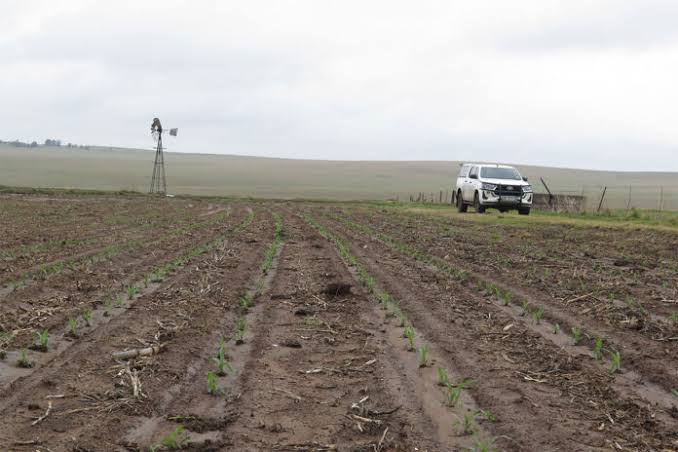
South Africa’s summer rainfall areas are particularly important to the production of maize, soybeans, sunflower and other crops. If rainfall is insufficient or arrives at the wrong time, farmers may struggle with planting, crop establishment and development.
Livestock producers can also face difficulties if dry conditions reduce grazing availability or increase the cost of supplementary feed.
The effects are not uniform. Irrigated farms, rain-fed producers and livestock operations have different exposures, while local soil conditions, water access, production methods and financial resources can influence how effectively each business responds.
This means farmers need to interpret seasonal forecasts alongside local information and practical assessments of their own farms.
A stronger starting point does not remove the risk
The NAMC’s assessment compared South Africa’s preparedness with the conditions preceding the 2015/16 drought. The council’s message was not that the country is protected from drought, but that some starting conditions are more favourable while vulnerabilities remain.
That distinction matters for investment decisions.
A farmer who begins the season with better soil moisture or access to water may have more flexibility than one facing depleted resources. However, conditions can change as the season progresses, and early advantages should not be treated as a guarantee of adequate rainfall.
Producers should monitor official seasonal forecasts, local weather updates and soil conditions throughout the growing period. Decisions about planting dates, crop choices and irrigation should be reviewed as new information becomes available.
Agricultural advisers can also help farmers assess whether their planned input expenditure is appropriate for the level of risk they face.
Water management becomes a business priority
Water planning is one of the most practical ways to strengthen agricultural resilience.
For irrigated producers, efficient irrigation scheduling can help direct available water towards crops when it is most needed. Maintaining irrigation equipment, checking for leaks and understanding soil moisture requirements can reduce unnecessary losses.
Rain-fed farmers can also take steps to conserve moisture. Practices may include maintaining suitable soil cover, reducing erosion, improving field drainage where necessary and selecting production methods appropriate to local conditions.
The right approach depends on the crop, soil type, farm location and available resources. There is no single solution suitable for every operation.
Farmers should also consider how water is allocated across their businesses. Crop irrigation, livestock drinking water, cleaning and other essential activities may compete for limited supplies during difficult periods.
A documented water-management plan can help producers identify their highest-priority requirements before a shortage develops.
Livestock farmers need to prepare too
Climate risk extends beyond field crops.
When pasture growth deteriorates, livestock producers may need to purchase additional feed, adjust stocking rates or move animals to areas with better grazing. These decisions can increase costs and affect farm profitability.
Proactive planning can help reduce the pressure. Producers can assess available feed reserves, monitor pasture conditions, maintain appropriate herd-health practices and review whether stocking levels remain sustainable.
Water availability and animal welfare must also remain central considerations during periods of heat or drought.
Foot-and-mouth disease and other animal-health risks add another dimension to livestock management. While climate preparedness and disease control address different challenges, both require reliable information, appropriate resources and consistent farm-level management.
Financing and insurance remain critical gaps
Preparing for difficult seasons requires money. Seed selection, irrigation improvements, soil conservation, feed reserves and other resilience measures may involve costs before any additional revenue is generated.
For emerging and smallholder farmers, limited access to affordable finance and insurance can make these investments difficult.
An agricultural business may understand the risks it faces but still lack the cash flow to implement the necessary measures. This is why climate resilience cannot depend entirely on individual farmers.
Financial institutions, insurers, government programmes and agricultural organisations can help by improving access to suitable production finance, risk-management tools and practical advisory services.
Weather-based index insurance is one potential approach to managing certain climate-related risks, although its suitability depends on the policy structure, local conditions and the specific needs of the farmer. Producers should carefully understand coverage terms, exclusions and payout triggers before purchasing any product.
Better access to information is also important. Timely warnings can give farmers more time to adapt their plans before conditions become critical.
Opportunities for agricultural businesses
The growing emphasis on climate preparedness creates opportunities for companies that provide practical solutions.
Irrigation equipment suppliers, water-management specialists, seed companies, agricultural technology providers, insurers and financial institutions can all contribute to more resilient production systems.
However, successful solutions must be accessible and relevant to the farmers expected to use them. Technologies that require substantial upfront investment may be unsuitable for some smallholder businesses without appropriate financing or support.
Agricultural organisations can also help connect producers with training, technical expertise and reliable seasonal information.
For investors, the priority is to identify solutions that improve productivity and resilience while remaining commercially sustainable.
Turning preparedness into action
El Niño preparedness should be treated as an ongoing process throughout the production season.
Farmers can begin by reviewing water availability, assessing financial exposure, monitoring official forecasts and identifying which production activities are most vulnerable to adverse conditions. They should also establish contingency plans for livestock feed, irrigation interruptions and changes to planting schedules.
Government and industry stakeholders have a complementary responsibility to strengthen water infrastructure, improve access to agricultural finance and make reliable climate information available to producers.
The NAMC’s October assessment offers a timely reminder: a stronger starting position is valuable, but resilience depends on preparation and the ability to respond as conditions evolve.
For South African agriculture, the objective is not simply to endure a difficult season. It is to protect productive capacity, maintain food supplies and ensure that farmers can continue investing in the future.
Read More:https://www.namc.co.za/resources/press-releases-and-statements/