
Businesses are increasingly relying on connected devices to manage operations, monitor equipment and collect information. However, the growing use of artificial intelligence (AI) by cybercriminals is creating new security challenges for organisations operating Internet of Things (IoT) environments.
Telecommunications technology company Allot has introduced new capabilities within its NetworkSecure platform, designed to strengthen protection for SIM-enabled IoT devices operating across 4G and 5G networks. The development, announced on 5 November 2026, highlights the growing importance of network-level cybersecurity as businesses connect more equipment to digital infrastructure.
The announcement comes as organisations face increasing pressure to protect devices that often operate without traditional security software.
The growing cybersecurity risks facing connected devices
The Internet of Things has transformed how businesses monitor and manage their operations. Connected cameras, industrial sensors, electricity meters, monitoring systems and other equipment allow organisations to collect information and manage activities remotely.
While these technologies improve operational efficiency, they also create additional entry points for cybercriminals.
Unlike conventional computers and smartphones, many IoT devices have limited processing capabilities and cannot support traditional endpoint security applications. Some devices also remain connected to business networks for extended periods, making them potential targets when vulnerabilities are discovered.
Artificial intelligence is adding another dimension to this challenge. Cybercriminals can use AI tools to accelerate vulnerability research, identify weaknesses and develop attacks more efficiently.
According to Allot, these developments are increasing the need for cybersecurity solutions that protect connected equipment directly through telecommunications networks rather than relying exclusively on software installed on individual devices.
Allot introduces network-based IoT protection
Allot’s latest NetworkSecure capabilities are designed to provide telecommunications operators with an additional layer of security for business customers using connected devices across 4G and 5G networks.
The technology uses the company’s AI-driven Deep Network Intelligence capabilities to identify and manage network traffic, enforce firewall policies and restrict unauthorised communications before they reach protected devices.
An important feature of this approach is that it does not depend on installing conventional security software on every connected device.
This is particularly relevant for organisations managing large numbers of industrial sensors, cameras and monitoring equipment, where installing and maintaining individual security applications may be difficult.
By implementing protection at the network level, telecommunications providers can offer businesses greater visibility and control over the communications taking place between connected devices and external systems.
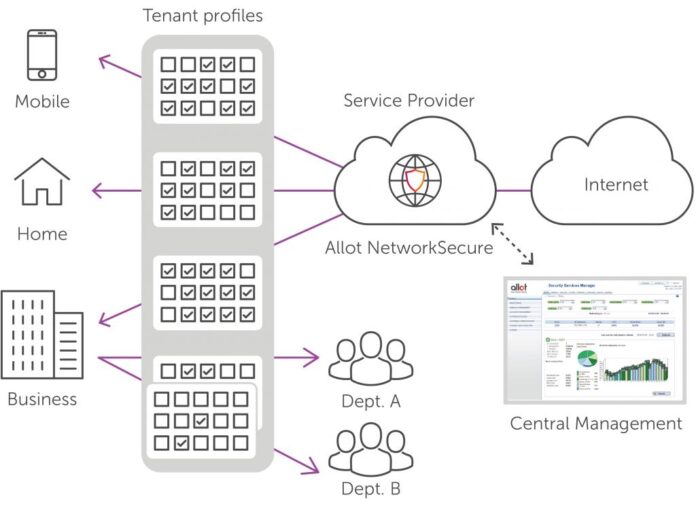
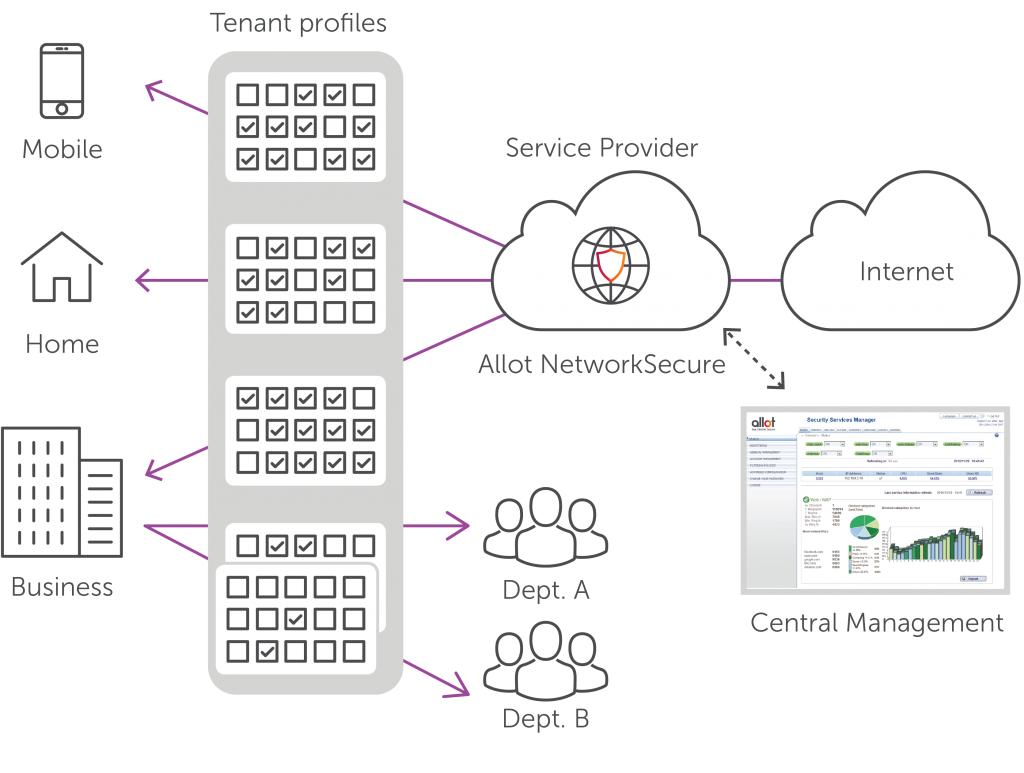
Allot also positions NetworkSecure as part of its wider Security-as-a-Service offering, allowing telecommunications operators to provide cybersecurity services alongside their existing connectivity products.
Real-world incidents highlight the vulnerability of connected equipment
The announcement follows a series of incidents demonstrating how cyberattacks can affect equipment that businesses depend on for everyday operations.
Allot highlighted attacks involving supermarket refrigeration systems in France and other European countries during October 2026. The incidents involved remote interference with refrigeration equipment, demonstrating how compromised connected systems can create operational and financial consequences beyond conventional data breaches.
The company also referred to a reported incident involving a refrigeration supplier to France’s national blood service, where freezer temperature settings were remotely changed.
These examples illustrate why organisations need to consider the security of operational technology, not just traditional IT infrastructure.
A compromised connected device can potentially disrupt business processes, affect equipment performance and create risks for services that depend on reliable monitoring and control systems.
Telecommunications providers gain new opportunities
The development also presents an opportunity for telecommunications companies to expand their role in business cybersecurity.
Traditionally, network operators have generated revenue through mobile connectivity, data services and communication infrastructure. However, growing cybersecurity requirements are creating opportunities to introduce additional services to enterprise customers.
With NetworkSecure, telecommunications providers can offer network-based protection, threat detection and access controls as part of their business connectivity packages.
Allot says its unified management capabilities also support centralised provisioning, reporting and analytics, allowing service providers to manage security services across different customer segments.
This approach could be particularly valuable for small and medium-sized businesses that may not have the resources to establish large internal cybersecurity teams.
By incorporating protection into the network, operators can potentially make security services more accessible to businesses that would otherwise struggle to manage complex connected-device environments.
What this means for businesses adopting 5G and IoT
As 5G connectivity expands, organisations are expected to explore more applications involving automation, remote monitoring and connected industrial equipment.
However, increased connectivity also means that businesses must pay greater attention to how devices communicate, what information they access and which systems are authorised to interact with them.
Network-level protection offers one approach to reducing exposure, particularly where traditional endpoint security solutions cannot be installed.
Nevertheless, businesses should not treat network-based protection as a replacement for comprehensive cybersecurity practices. Strong access controls, regular software updates, secure device configurations, network monitoring and incident response planning remain important.
Organisations should also maintain an inventory of connected equipment and establish clear responsibilities for managing devices throughout their operational lifecycles.
A changing approach to connected-device security
Allot’s latest NetworkSecure development reflects a wider shift in cybersecurity towards protecting entire digital environments rather than concentrating exclusively on individual computers and servers.
As AI becomes more accessible to both defenders and attackers, telecommunications networks are increasingly important in identifying suspicious activity and controlling communications between connected systems.
For businesses investing in 5G, industrial automation and IoT technologies, cybersecurity will remain an essential consideration as digital infrastructure becomes more interconnected.
The challenge will be ensuring that the benefits of connected technology are not undermined by weaknesses in the systems supporting it.