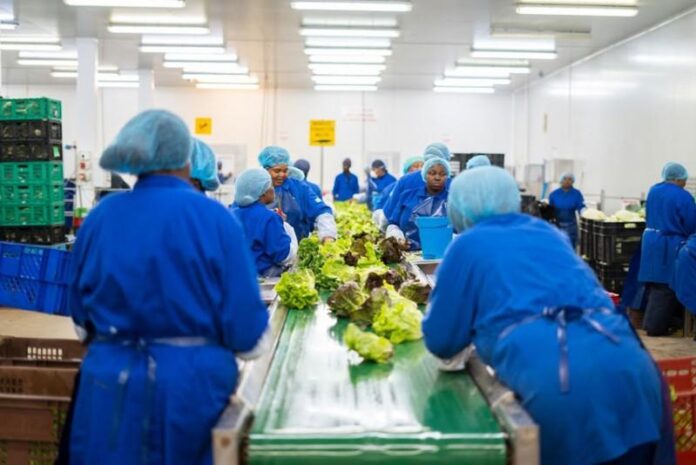

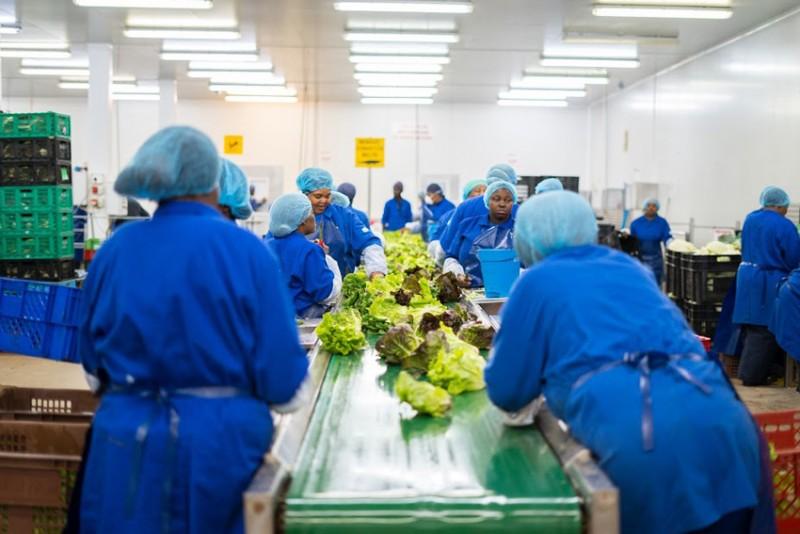
Post-harvest handling and packaging can help farmers maintain produce quality and prepare for commercial markets.
South Africa’s agricultural development agenda is placing renewed emphasis on helping farmers move beyond primary production towards commercially sustainable businesses. A new vegetable packhouse in Mogogelo Village, within the Moretele Local Municipality in North West, is an example of this approach.
According to an announcement published by the North West provincial government on 19 October 2026, the province’s MEC for Agriculture and Rural Development, Madoda Sambatha, is scheduled to officially launch the Cassper Agri-Life Vegetable Packhouse on 20 October.
The project follows the opening of the MOR Farming Packhouse and Lucerne Packhouse in Taung, reflecting a broader effort to strengthen agricultural production and improve opportunities for farmers to participate in commercial markets.
The provincial government says its investment in the Mogogelo project includes a fully equipped packhouse, production tunnels, a borehole, a backup generator and mobile cold-room facilities. These components are intended to support production, protect produce and help local farmers reach potential markets.
The development highlights a practical challenge facing agricultural businesses: producing quality crops is only one part of building a profitable farming enterprise. Farmers must also be able to handle, preserve, package and transport their produce efficiently.
Why packhouses matter to agricultural businesses
Fresh vegetables are vulnerable to deterioration after harvesting. Delays in cooling, sorting, handling and transportation can reduce quality, shorten shelf life and limit the prices farmers receive.
A packhouse can help address these challenges by providing facilities where produce is prepared for sale, sorted according to quality, packed and managed before distribution. When supported by suitable cold storage and reliable transport, such infrastructure can help reduce avoidable post-harvest losses.
For farmers operating on a smaller scale, access to these facilities can be particularly important. Individual producers may not have the capital to establish their own cold rooms, packaging lines, backup power systems or water infrastructure.
Shared agricultural facilities can potentially make these services more accessible, although their effectiveness will depend on operating costs, management, maintenance, farmer participation and reliable links to buyers.
The North West project therefore raises an important business question for the agricultural sector: how can infrastructure investments translate into consistent sales, improved farm incomes and sustainable employment?
The answer will depend not only on the facilities themselves, but also on whether farmers can secure reliable buyers and meet their requirements for quality, volume, timing and pricing.
Connecting local production to commercial markets
Market access remains a critical part of agricultural development. Farmers can produce successfully yet struggle to grow their businesses if they lack information about demand, suitable storage, distribution networks or relationships with retailers and other buyers.
Packhouses can help bridge part of this gap by supporting the preparation and consolidation of produce for larger markets. They can also create opportunities for coordination between producers, agricultural cooperatives, logistics companies and fresh-produce buyers.
For the Mogogelo community, the provincial government expects the project to support vegetable production, improve market access, create jobs and contribute to rural economic development.
The extent of these benefits will depend on implementation and ongoing operations. Transparent access arrangements, appropriate service fees, effective maintenance and clear commercial agreements will be important to ensure that the infrastructure delivers lasting value.
There is also an opportunity to strengthen business skills among participating farmers. Training in production planning, grading standards, food safety, record-keeping and contract management can help producers become more competitive suppliers.
For agricultural businesses looking to expand, the combination of production capacity and post-harvest infrastructure can provide a foundation for developing more reliable supply relationships.
Climate resilience and the importance of water security
Infrastructure investment is taking place against a challenging climate backdrop. Water availability and changing rainfall patterns remain important considerations for South African farmers as they prepare for the summer production season.
In a statement published on 12 October 2026, the National Agricultural Marketing Council (NAMC) assessed South Africa’s preparedness for a potential El Niño-related drought. The council indicated that the agricultural sector was entering the period with a stronger position than during the 2015/16 season, while warning that risks remained for farmers and food systems.
These risks make water management, production planning and climate information increasingly important business considerations.
At the Mogogelo facility, the inclusion of a borehole provides water infrastructure, but it should not be interpreted as a guarantee of water security. Sustainable use will depend on groundwater availability, monitoring, maintenance and appropriate water management.
Farmers can also benefit from improving irrigation efficiency, monitoring soil moisture, selecting suitable crop varieties and adjusting planting schedules to local conditions. These measures should be based on reliable local agricultural advice and weather information rather than assumptions about rainfall.
Climate resilience is particularly important for vegetable producers because many crops require carefully managed water supplies and can be sensitive to heat and moisture stress.
Innovation and investment across the agricultural value chain
The packhouse announcement coincides with wider efforts to strengthen agricultural innovation in South Africa.
On 16 October 2026, the Department of Science, Technology and Innovation published an update on work towards a Science, Technology and Innovation Roadmap for Agriculture, Forestry and Aquaculture. The initiative aims to guide policy and investment, strengthen innovation and productivity, and support sustainable growth and competitiveness.
For farmers and agribusinesses, innovation does not necessarily mean adopting expensive technology. Practical improvements can include better water monitoring, digital farm records, crop traceability, improved storage management and more accurate production forecasts.
These tools can help producers understand their costs, manage risks and meet the requirements of commercial buyers.
Agricultural infrastructure can also create opportunities for businesses supplying packaging, refrigeration, transport, irrigation equipment, maintenance and technical services. This makes rural agricultural development relevant to a wider network of enterprises beyond the farm itself.
What farmers and agribusinesses should watch
The launch of the Cassper Agri-Life Vegetable Packhouse provides a useful opportunity to assess how agricultural infrastructure can support rural businesses.
The next measures of success will be practical: how many farmers gain access to the facilities, whether produce losses decline, whether new buyers are secured, and whether participating businesses achieve more dependable revenue.
Access to finance, technical support and agricultural extension services will remain important, particularly for producers seeking to scale their operations and meet formal market requirements.
For investors and service providers, developments of this kind also highlight potential opportunities across the agricultural value chain, from fresh-produce handling and cold storage to logistics and digital farm management.
South Africa’s agricultural growth will depend on more than increasing the volume of crops produced. It will also require efficient systems that help farmers preserve quality, reach markets and build viable enterprises.
The Mogogelo packhouse is one local example of how infrastructure can contribute to that objective. Its long-term significance will be measured by the commercial opportunities it creates for farmers and the value it delivers to the surrounding community.