
Artificial intelligence (AI) is increasingly moving beyond computers and smartphones, finding its way into homes, workplaces, kitchens and personal wellness technologies. Samsung Electronics is highlighting this shift through Samsung Week 2026, demonstrating how connected devices and AI-powered services could change the way people manage everyday activities.
In an announcement published on 30 October 2026, Samsung South Africa outlined how its latest connected technology ecosystem brings together productivity, health and fitness, home automation, entertainment and household management. The initiative reflects a growing technology industry trend in which AI is becoming less of a standalone feature and more of an integrated part of daily life.
Running from 12 October to 1 November 2026, Samsung Week carries the theme “Discover new ways to live smarter”. The campaign coincides with the company’s 57th anniversary and provides consumers with an opportunity to explore its connected products and services.
AI moves beyond smartphones
For several years, much of the public conversation surrounding artificial intelligence has focused on chatbots, automated content generation and digital assistants. However, Samsung’s latest announcement illustrates how AI applications are expanding into multiple areas of everyday life.
Through its connected ecosystem, Samsung is demonstrating how compatible devices can communicate and work together to simplify routine tasks.
Its SmartThings platform allows users to connect supported appliances, smartphones and other smart devices, creating an environment where different technologies can coordinate activities and automate household functions.
For example, AI-enabled systems can help users organise work across devices, manage appliance settings and access information without repeatedly switching between different applications.
This development points towards a more integrated technology experience, where the value of a device increasingly depends on how effectively it works with other products and services.
Smart homes become more intelligent
One of the most interesting developments highlighted by Samsung is the growing role of AI in connected households.
The company’s Bespoke AI Refrigerator and other smart appliances demonstrate how technology can assist with household management. According to Samsung, its AI Vision Inside technology can identify certain food ingredients and suggest recipes based on available items.
The connected kitchen concept also includes remote appliance controls. Users can preheat compatible ovens through connected services and access cooking assistance designed to simplify food preparation.
Beyond the kitchen, Samsung is exploring how connected appliances can support household automation. Its AI-enabled laundry technology can analyse laundry loads and adjust washing settings, helping users manage routine domestic activities.
These innovations demonstrate how manufacturers are attempting to move beyond traditional smart appliances towards systems that can recognise information, respond to user needs and automate selected tasks.
For households, the potential benefits include convenience, better organisation and more efficient management of everyday activities.
Technology meets health and fitness
AI-powered consumer technology is also becoming increasingly relevant to personal wellness and fitness.
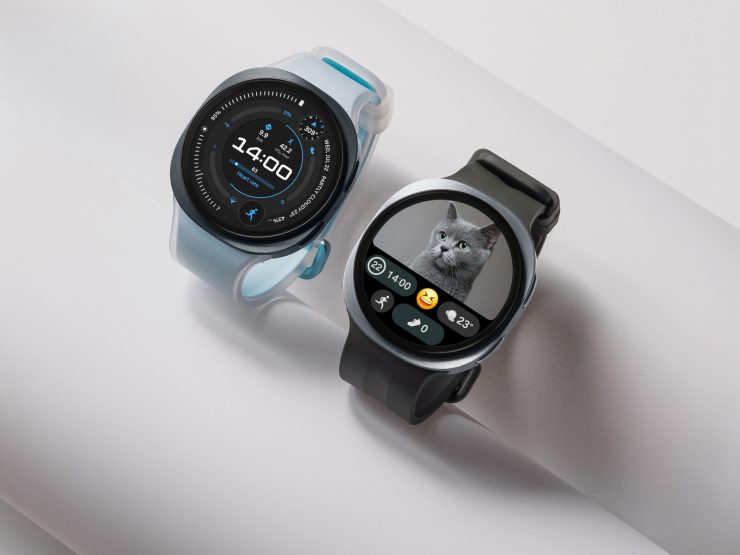
Samsung’s connected ecosystem brings together Galaxy smartphones, smartwatches and Samsung Health to help users monitor selected health and exercise information.
Its Galaxy Watch devices can provide workout information, including heart rate, exercise duration and other fitness metrics. Samsung also highlights its Trail Run functionality, which provides runners with additional information about elevation and changes in terrain.
By bringing this information together, connected devices can help users better understand their activity patterns and make more informed decisions about their fitness routines.
However, consumer wellness technology should not be confused with professional medical diagnosis. These devices provide tracking and insights rather than replacing healthcare professionals.
The broader development demonstrates how wearable technology is evolving from basic activity tracking towards more personalised digital experiences.
AI could change how people work
Another important area is workplace productivity.
Samsung highlights how compatible devices such as its Galaxy Z Fold8 Ultra, Galaxy Buds4 Pro and Smart Monitor can work together to support people managing multiple tasks.
Features such as Multi Window allow users to work across different applications, while compatible Multi Control functionality enables users to operate multiple Samsung devices using a single keyboard and mouse.
These developments reflect a wider shift in the technology industry towards connected working environments.
As businesses increasingly adopt digital collaboration tools, employees are looking for technologies that support flexible working arrangements, improve productivity and reduce unnecessary interruptions.
AI-powered features could contribute to this transformation by helping people organise information, access services and manage everyday digital activities more efficiently.
Security and responsible AI adoption remain important
Despite the opportunities associated with connected technology, the expansion of AI also raises important questions about privacy, cybersecurity and data protection.
Smart devices can collect and process different types of information, including usage patterns, household preferences and personal wellness data.
As more devices become interconnected, manufacturers and technology providers must ensure that appropriate security measures are in place.
Samsung identifies its Knox security platform as part of its wider connected ecosystem. Nevertheless, consumers should understand the privacy settings of their devices, review permissions and ensure that connected products receive appropriate software updates.
Businesses face similar responsibilities when introducing AI-powered systems into their operations. Technology adoption should be supported by clear governance policies, appropriate access controls and responsible data management.
The success of connected AI will therefore depend not only on innovation but also on the confidence users have in the technology.
What this means for the future of consumer technology
Samsung Week 2026 offers a glimpse into a technology market increasingly shaped by interconnected devices and intelligent software.
Rather than purchasing individual products that operate independently, consumers are being introduced to ecosystems designed to bring different technologies together.
This approach could influence how manufacturers compete, how households invest in technology and how businesses develop digital products and services.
For South African consumers, the development also highlights the importance of considering compatibility, connectivity, device availability and affordability when investing in smart technology.
Not every AI feature will be available on every device or in every market, and some functionality may require compatible products, subscriptions or internet connectivity.
Ultimately, the direction is becoming clearer: artificial intelligence is moving beyond the screen and becoming part of the environments in which people live and work.
As Samsung demonstrates through its latest connected innovations, the next phase of consumer technology will increasingly be defined by how intelligently devices work together to solve practical everyday challenges.
Read More:https://news.samsung.com/za/samsung-week-2026-reveals-how-ai-can-make-your-everyday-life-easier