Today, 16 October 2026, countries around the world mark World Food Day under the theme “Innovate today. Nourish tomorrow.” The Food and Agriculture Organization of the United Nations (FAO) says the day will be observed in about 150 countries, in up to 50 languages, through hundreds of events.
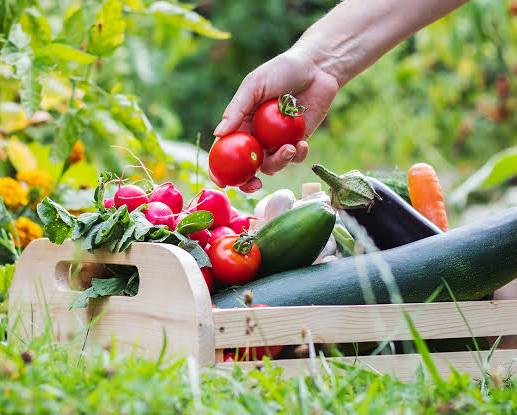
The theme carries a clear message. According to FAO, forward-thinking solutions, combined with traditional knowledge and inclusive approaches, can help everyone access sufficient, safe and nutritious food while protecting the planet. In other words, innovation is not only about laboratories and technology. It is also about how new ideas reach the farmers, households and communities who need them.
The global picture
The scale of the challenge remains significant. At the opening of the World Food Forum flagship event at FAO headquarters in Rome on 12 October, FAO reported that about 673 million people still experience hunger, and about 2.6 billion people cannot afford a healthy diet.
FAO Director-General QU Dongyu was direc
t about what is required. “We have to do more and better at scale,” he said, adding that the actions taken today “will determine whether tomorrow’s agrifood systems can truly nourish a growing and changing world.”
The World Food Forum, now in its sixth year, ran from 8 to 16 October and brought together government leaders, researchers, investors, farmers, fishers, Indigenous Peoples and young people. Ten heads of state or government delivered keynote addresses, including King Letsie III of Lesotho and President João Lourenço of Angola. FAO also launched 35 new National Youth Chapters across five regions, a signal that the next generation of agricultural leaders is being drawn deliberately into the conversation.
Alongside the Forum, FAO hosted a Science and Innovation Forum on artificial intelligence, digital tools and frontier science, and the Hand-in-Hand Initiative Investment Forum, which connects governments with investors and development partners.
South Africa’s commemoration in the North West
In South Africa, the National Department of Agriculture is hosting the national World Food Day commemoration today at the Tosca Sports Ground in Tosca Village, in the Kagisano-Molopo Local Municipality, North West. The event is a partnership between the National Department of Agriculture, the North West Department of Agriculture and Rural Development and FAO.
According to the government’s media advisory, Minister of Agriculture Willie Aucamp and North West MEC for Agriculture and Rural Development Madoda Sambatha are leading the proceedings. The programme includes the launch of several food security projects and a showcase of practical interventions designed to increase food production and support vulnerable households.
The choice of venue is deliberate. The government says the North West was selected because of food security challenges in parts of the province, as highlighted in the Food and Nutrition Security Survey Report. Holding the national event in a rural community, rather than a city centre, places the focus where the need is greatest.
What innovation looks like on South African farms
For South African agriculture, the 2026 theme arrives at a telling moment. One of the clearest local examples of innovation this year comes from the Agricultural Research Council (ARC). In February, the ARC handed over its first batch of 12,900 locally produced foot-and-mouth disease vaccine doses, the first local production since South Africa stopped making the vaccine in 2005. The ARC has committed to producing 20,000 doses a week and plans to scale up to 200,000 doses a week in 2027.
That work matters directly to food security. Livestock disease affects farm incomes, export access and the price and availability of protein for households. Building local capacity to protect the national herd is exactly the kind of “innovate today” investment the theme describes.
Innovation on the ground also includes less visible changes: better data for planting decisions, improved seed and water management, digital market access for smallholders, and partnerships that bring emerging farmers into commercial value chains. Each of these turns knowledge into food on the table.
Why it matters for business
For agribusinesses, input suppliers, financiers and food companies, World Food Day is more than an awareness date. The FAO figures show a global market where demand for affordable, nutritious food far outpaces supply. Companies that invest in practical innovation, from storage and logistics to farmer training and climate-smart production, stand to contribute to food security while building resilient supply chains.
The day also offers a chance to involve young people. FAO’s World Food Day Poster Contest, open to children and young people aged 5 to 19, accepts entries until 6 November 2026, giving schools and companies a simple way to engage the next generation.
Looking ahead
World Food Day lasts for one day; the challenge it highlights lasts all year. The test for South Africa will be whether the projects launched in the North West today, and innovations such as local vaccine production, are sustained and scaled. As FAO’s theme reminds us, what we innovate today determines who is nourished tomorrow.
Read More: https://www.fao.org/world-food-day/en