
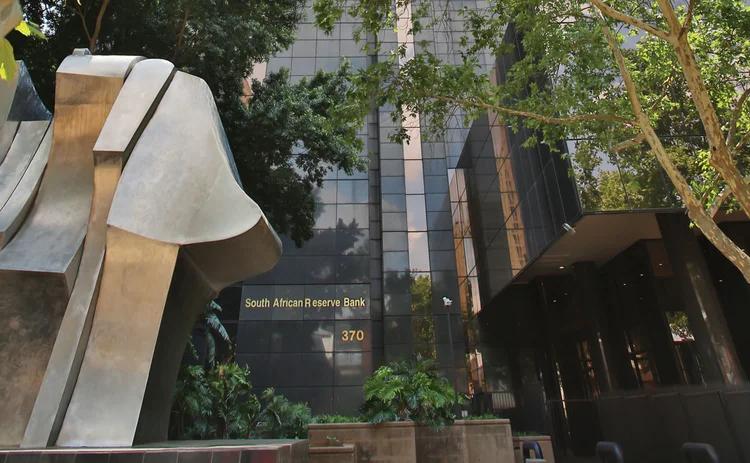
South Africa’s economic outlook is receiving renewed attention following comments by South African Reserve Bank (SARB) Governor Lesetja Kganyago, who says current monetary policy settings should be sufficient to bring inflation back towards the central bank’s 3% target once the initial impact of global economic shocks fades.
The comments, delivered on 29 October 2026 at an Italian-South African Chamber of Trade and Industries engagement in Johannesburg, come at a time when households, businesses and investors are closely watching inflation, borrowing costs and the direction of interest rates.
The Governor’s remarks offer an important indication of how policymakers are assessing the country’s economic conditions ahead of the next Monetary Policy Committee (MPC) meeting scheduled for 19 November 2026.
Inflation remains a major concern
South Africa has been navigating renewed inflationary pressures linked to international developments, particularly the conflict in the Middle East and the Russia-Ukraine war.
These disruptions have affected global energy supplies, fuel prices, fertiliser costs and international supply chains. Higher production and transportation expenses can eventually translate into increased prices for goods and services.
According to Kganyago, inflation accelerated to 4.5% in September and has remained above the Reserve Bank’s 3% target since March.
The central bank has been working towards a point inflation target of 3%, with a tolerance range of one percentage point on either side.
The SARB previously increased its policy rate by a cumulative 50 basis points to 7.25% during the April-to-September period in 2026.
The Governor explained that monetary policy cannot prevent the initial increase in prices caused by international fuel shocks. However, the Reserve Bank must ensure temporary inflation does not become permanently embedded in wage negotiations, consumer expectations and business pricing decisions.
Importantly, the Governor indicated that the bank’s economic modelling suggests current policy settings are sufficient to return inflation to target after the initial shock passes.
This provides some reassurance to financial markets, although it does not rule out further monetary policy adjustments if inflation risks intensify.
What does this mean for South African households?
Interest rates remain one of the most important economic factors affecting ordinary South Africans.
When borrowing costs increase, households with home loans, vehicle finance, personal loans and credit-card debt generally face higher repayment obligations.
Businesses also feel the impact through more expensive financing, potentially delaying expansion plans, equipment purchases and new employment opportunities.
Conversely, stable interest rates can provide households and businesses with greater financial certainty.
For consumers, the current environment highlights the importance of managing debt carefully, reviewing monthly expenses and avoiding unnecessary borrowing.
People with savings may also benefit from relatively attractive deposit rates, although the actual return depends on the financial institution, product conditions and inflation.
The Reserve Bank’s approach is therefore not simply about controlling prices. It is also about creating an environment in which consumers, businesses and investors can make longer-term financial decisions with greater confidence.
South Africa’s economic recovery faces structural challenges
Beyond inflation and interest rates, Kganyago highlighted the importance of addressing the structural problems that have restricted South Africa’s economic growth.
Between 2015 and 2025, the country’s economy grew by an average of approximately 0.8% annually, reflecting a prolonged period of weak economic performance.
Infrastructure constraints, electricity shortages, inefficient logistics, policy uncertainty and declining public-sector capacity have affected business confidence and investment.
However, the Governor believes South Africa is beginning to turn a corner.
Improvements in electricity availability, reforms in transport and logistics, and initiatives aimed at strengthening municipal services are among the developments supporting a more positive economic outlook.
The government has also made progress towards improving fiscal credibility and stabilising public finances.
These developments could help encourage private-sector investment, improve productivity and create opportunities for businesses operating across different industries.
The challenge, however, remains ensuring that reforms translate into meaningful economic growth, increased employment and improved household incomes.
Why the Reserve Bank’s November decision matters
Financial markets will be watching closely when the MPC meets on 19 November 2026.
The meeting will provide another opportunity for policymakers to assess inflation trends, international economic developments and the impact of previous interest-rate adjustments.
While the Governor’s latest comments indicate confidence in the existing policy approach, the final decision will depend on incoming economic information and the risks facing the inflation outlook.
The SARB has made it clear that it remains committed to bringing inflation back towards its 3% target while maintaining financial stability.
For businesses, investors and consumers, the upcoming announcement will be particularly important in determining expectations around borrowing costs and financial planning.
A cautious outlook for investors and businesses
South Africa’s economic recovery will require more than changes in interest rates.
A stable monetary environment, improved infrastructure, reliable electricity, efficient logistics and consistent economic policies will all be necessary to encourage investment.
For businesses, particularly small and medium-sized enterprises, predictable financing conditions can support expansion, operational improvements and long-term planning.
Investors will also be monitoring the country’s ability to maintain inflation discipline while improving economic growth.
The Reserve Bank’s latest assessment provides cautious optimism, but the coming months will be important in determining whether the country’s economic improvements can be sustained.
As South Africa approaches its November monetary policy decision, attention will remain firmly on inflation, the cost of borrowing and the country’s ability to build a stronger economic foundation.
For households and businesses alike, the central question is whether greater economic stability can finally translate into more affordable living costs, stronger investment and sustainable growth.