
Global agriculture is facing growing uncertainty as climate-related disruptions, rising production costs and changing weather patterns threaten farming operations and food security. A new report released by the International Fund for Agricultural Development (IFAD) has highlighted the potential economic consequences of a severe El Niño event, warning that its impact could cost the global economy up to US$11 trillion over the next five to six years.
The report, titled Food Systems Under Stress: Building Resilience from the First Mile, was released on 9 November 2026 during the COP31 climate discussions. It examines how overlapping climate and economic shocks are affecting farmers, particularly small-scale agricultural producers who play an important role in supplying food to global markets.
El Niño Raises Concerns for Global Food Production
El Niño is a natural climate phenomenon associated with changes in ocean temperatures in the Pacific that can influence rainfall and temperature patterns across different parts of the world.
Depending on the region, it can contribute to drought, unusually high temperatures or excessive rainfall. These conditions create uncertainty for agricultural producers who depend on predictable seasonal weather to plan planting, irrigation and harvesting activities.
According to IFAD, the economic consequences could extend beyond individual farms. The organisation’s analysis considers direct agricultural losses, infrastructure damage and wider economic effects, including disruptions to international trade and food commodity prices.
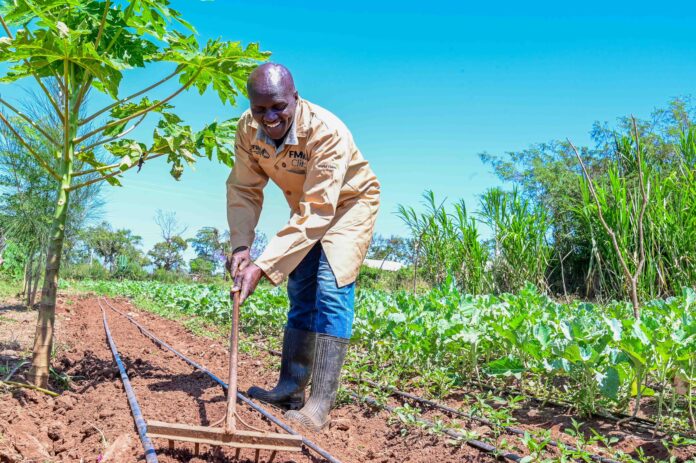
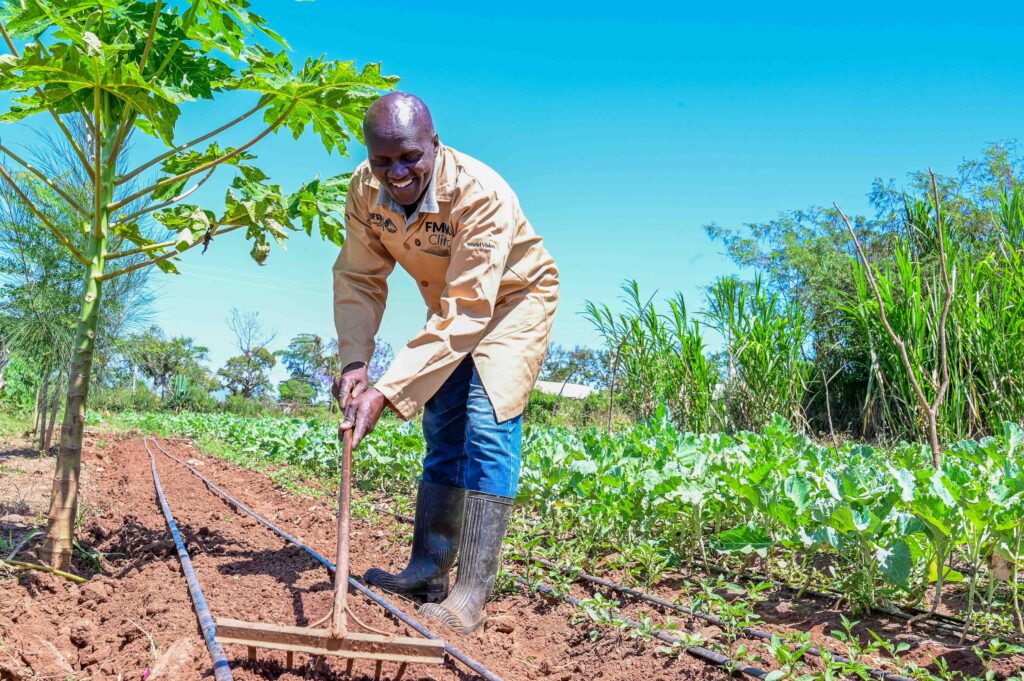
Small-scale farmers are particularly vulnerable because many operate with limited financial resources, restricted access to irrigation and inadequate protection against extreme weather events.
IFAD estimates that small-scale farmers produce approximately one-third of the world’s food, making their ability to withstand climate-related disruptions essential to global food security.
Rising Fertiliser and Energy Costs Add Pressure
Climate-related risks are emerging alongside increasing production expenses.
The IFAD report highlights how energy and fertiliser price shocks experienced during 2026 have affected agricultural supply chains, increasing costs associated with production, processing, transportation and distribution.
Fertilisers are essential for maintaining soil productivity and supporting crop development. However, when prices rise, farmers may reduce application rates or delay purchasing essential agricultural inputs.
Higher energy costs also affect irrigation systems, agricultural machinery, storage facilities and transportation.
These pressures can reduce farming profitability, particularly for producers who cannot easily transfer additional costs to buyers.
For agricultural businesses, the combination of unpredictable weather and expensive production inputs creates additional uncertainty when planning investments and managing operational expenses.
Africa’s Smallholder Farmers Face Growing Climate Risks
The report carries particular significance for African agriculture, where millions of rural households depend on farming for their livelihoods.
Many small-scale producers rely heavily on rainfall rather than sophisticated irrigation infrastructure. When rainfall patterns change, planting schedules, crop development and harvesting activities can be disrupted.
The consequences extend beyond agricultural production. Lower harvests can affect household incomes, employment opportunities, food availability and the ability of rural communities to purchase essential goods.
For countries such as South Africa, Zimbabwe, Zambia and other agricultural economies across Southern Africa, climate resilience remains an important consideration for long-term food production.
Investments in water infrastructure, climate information services, improved farming practices and agricultural finance can help producers prepare for changing conditions.
FAO Food Price Figures Highlight the Wider Market Impact
The potential consequences of agricultural disruptions are also important for food markets.
According to the Food and Agriculture Organization of the United Nations (FAO), its Food Price Index averaged 133.9 points in October 2026, representing a 1.2% decline from September.
However, the index remained 5.9% above its level a year earlier.
Cereal prices declined by 4.5% during October, while the vegetable oil index increased slightly. Sugar prices moved in the opposite direction, rising 6.6% to their highest level since December 2024.
These movements demonstrate how agricultural markets respond differently to changing supply, demand, production conditions and international trade developments.
For farmers, processors and food manufacturers, commodity price movements remain important when assessing production costs, selling prices and future investment decisions.
Investment in Agricultural Resilience Could Reduce Losses
One of the most important findings in the IFAD report is that farmers benefit from combining several forms of agricultural support rather than relying on individual interventions.
The organisation’s modelling found that finance-focused interventions, such as insurance, could reduce farm-income losses by 9.8% when drought and price shocks occur together.
However, when support combines agricultural inputs, market access and financial services, the reduction in income losses increases to 18.7%.
This suggests that agricultural resilience requires coordinated investment.
Farmers need access to affordable seeds and fertilisers, reliable markets where they can sell their produce, and financial services that help them manage unexpected disruptions.
The report also highlights examples from Kenya and Bangladesh, demonstrating how agricultural training, improved inputs, insurance and market connections can strengthen rural livelihoods.
In Kenya, combining fertiliser micro-dosing training, agroforestry, agricultural inputs, drought insurance and access to grain buyers helped improve farmers’ resilience.
In Bangladesh, investments involving solar-powered irrigation, agricultural training, credit and food-safety certification helped reduce production costs and increase household incomes.
What the Development Means for Agricultural Businesses
The warning from IFAD presents an important consideration for agricultural investors, farming organisations, governments and financial institutions.
Building resilience requires more than responding to drought after crops have already been damaged. It involves preparing farming operations before extreme weather conditions occur.
For commercial agricultural businesses, this could mean investing in efficient irrigation systems, improving water management, diversifying crops and strengthening supply-chain arrangements.
Financial institutions also have an important role to play by developing agricultural insurance products and lending solutions that recognise the risks facing farmers.
Governments can support these efforts through agricultural extension services, climate information, infrastructure development and policies that encourage investment in sustainable farming.
Building a More Resilient Agricultural Future
The potential US$11 trillion economic impact highlighted by IFAD demonstrates the scale of the challenge facing global agriculture.
Although individual countries will experience different climate effects, the broader message is that agricultural resilience is becoming an increasingly important part of economic planning and food security.
For African farmers, improved access to finance, technology, water infrastructure and reliable markets could make a significant difference in managing future disruptions.
As climate pressures continue to influence agricultural production, the ability to prepare for changing conditions will become an important factor in determining the long-term competitiveness and sustainability of farming businesses.