
South Africa’s agricultural sector is placing renewed emphasis on skills development, career advancement and the contribution of farmworkers following the announcement of the 2026 Western Cape Prestige Agri Awards. The programme has recognised agricultural employees whose dedication, technical expertise and leadership contribute to food production, rural economic development and the country’s agricultural competitiveness.
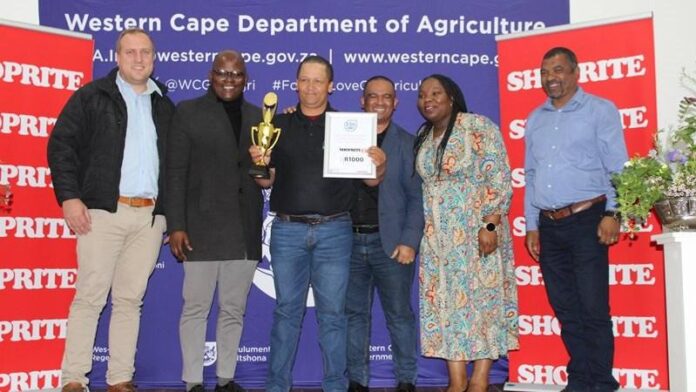
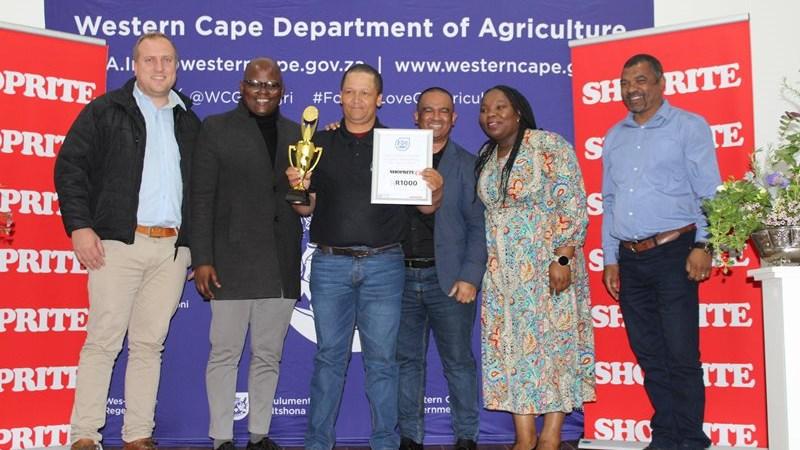
One of the biggest highlights of this year’s awards was the recognition of Raymond Weels, a Floor Manager at Graham Beck Wines in the Langeberg region, who was named the Overall Winner of the 2026 Western Cape Prestige Agri Awards.
Announced by the Western Cape Government on 8 November 2026, the achievement highlights how agricultural employment can provide opportunities for professional development and long-term career progression.
Weels’ journey is particularly significant because he began his career as a general worker nearly three decades ago before progressing into management.
Agricultural worker recognition reaches new milestone
The 2026 competition attracted 1,380 participants from 16 agricultural regions across the Western Cape. Of these, 167 contestants progressed to the provincial competition, competing across 11 categories.
The figures demonstrate the scale of participation in a programme that has increasingly become an important platform for recognising agricultural talent.
Since its establishment in the Hex River Valley in 2002, the Western Cape Prestige Agri Awards have attracted 20,108 participants.
What initially started with just 36 participants has developed into a provincial initiative that recognises employees working across different areas of agriculture, including general farm operations, irrigation, animal production, agricultural processing, administration and management.
The programme is facilitated by the Western Cape Department of Agriculture in partnership with the Western Cape Prestige Agri Forum, regional organisers and private-sector sponsors.
According to Western Cape Minister of Agriculture, Economic Development and Tourism, Dr Ivan Meyer, agricultural workers are central to the province’s economic performance.
Their contribution extends beyond activities on farms, supporting employment, food production, agricultural exports and the development of rural communities.
Raymond Weels demonstrates the value of career development
Weels’ recognition provides an example of how experience, commitment and opportunities for advancement can strengthen agricultural businesses.
Having joined Graham Beck Wines in 1998, he has spent almost three decades developing his career within the agricultural and wine production industry.
He has also participated in the Prestige Agri Awards since 2016, demonstrating a continued commitment to professional development.
His success is not limited to receiving provincial recognition. He has also emphasised the importance of helping colleagues develop their own potential.
Weels explained that one of his greatest motivations is making a positive difference in the lives of his team and encouraging other agricultural employees to pursue opportunities for personal growth.
His achievement sends an important message to agricultural businesses about the value of investing in employees, developing leadership skills and creating opportunities for workers to progress into more senior positions.
For an industry that relies on experienced workers to maintain production standards, manage operations and support agricultural exports, employee development remains an important part of long-term business sustainability.
Agricultural skills development supports rural economic growth
Agriculture remains an important contributor to South Africa’s economy, particularly through food production, exports, employment and the development of rural communities.
However, the industry’s performance depends on more than land, machinery, infrastructure and access to markets.
Workers with the appropriate technical knowledge and practical experience are essential to maintaining efficient farming operations.
Employees involved in irrigation management, livestock production, agricultural processing and machinery operations all contribute to the productivity of agricultural businesses.
Recognition programmes such as the Prestige Agri Awards provide an opportunity to highlight these different roles while encouraging employees to improve their skills.
The 2026 competition also recognised employees across several occupational categories, including general workers, drivers, irrigation specialists, technical operators, animal production workers, administrative employees and management personnel.
This broad representation demonstrates the range of expertise required to operate modern agricultural businesses.
For emerging agricultural workers, such programmes can also provide motivation to pursue training, develop specialised skills and consider agriculture as a long-term career rather than simply an entry-level occupation.
Private-sector partnerships strengthen agricultural development
The success of the awards also highlights the importance of cooperation between government, agricultural organisations and private-sector businesses.
Shoprite, through its Freshmark division, served as the main sponsor of the 2026 programme.
Freshmark is responsible for sourcing and distributing fresh fruit and vegetables for the Shoprite Group, making its involvement particularly relevant to the agricultural supply chain.
The programme’s sponsorship and partnerships help support the recognition and development of agricultural employees.
The Western Cape Department of Agriculture also acknowledged the contribution of organisations and industry representatives involved in strengthening agricultural cooperation.
Special recognition was given to Chris Fourie of Dairy Management Consulting, Jannie Strydom of Agri-Western Cape and Louis Wessels of the Red Meat Producers’ Organisation.
Their contributions included supporting cooperation between government and organised agriculture, particularly during the foot-and-mouth disease outbreak.
The recognition illustrates how agricultural development depends on collaboration across different parts of the industry, including producers, technical specialists, government departments and commercial partners.
Agricultural workers remain important to South Africa’s food security
South Africa’s agricultural industry continues to face several challenges, including changing weather conditions, rising production costs, animal diseases, infrastructure constraints and pressure to remain competitive in international markets.
While investment in agricultural technology and modern production systems is important, the human contribution to farming remains equally significant.
Workers are responsible for implementing production practices, monitoring livestock, maintaining equipment, managing irrigation systems and ensuring that agricultural products meet the required quality standards.
Developing and retaining skilled employees can therefore help agricultural businesses improve productivity, maintain operational standards and strengthen their ability to respond to changing market conditions.
The recognition of Weels and the other 2026 award recipients brings attention to an important aspect of agricultural transformation: creating opportunities for people working within the industry to develop their skills and build sustainable careers.
Building a stronger agricultural workforce
The 2026 Western Cape Prestige Agri Awards demonstrate how recognition, training and professional development can contribute to a stronger agricultural workforce.
With 20,108 participants recorded since the programme began in 2002, the initiative has established a significant platform for celebrating agricultural employees and encouraging career advancement.
For South African agriculture, the broader lesson is that sustainable industry growth requires investment not only in production infrastructure and technology but also in the people responsible for delivering agricultural results.
As farming businesses continue adapting to economic, environmental and technological changes, developing skilled and motivated employees will remain essential to improving productivity, strengthening rural economies and supporting national food security.
The achievements recognised through this year’s awards provide a reminder that behind every successful agricultural operation is a workforce whose knowledge, commitment and experience help keep the industry moving forward.