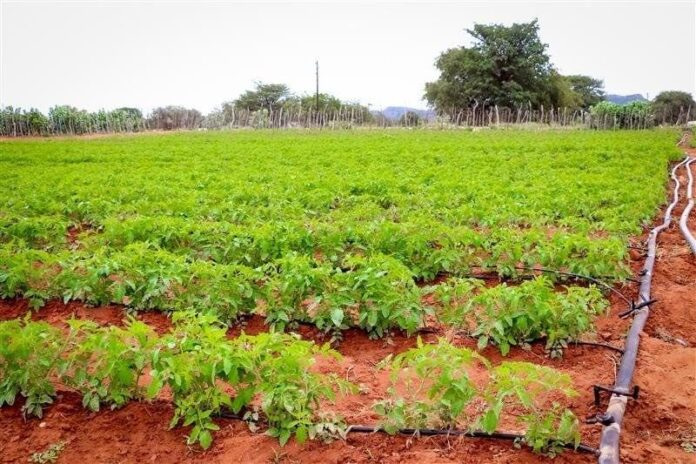

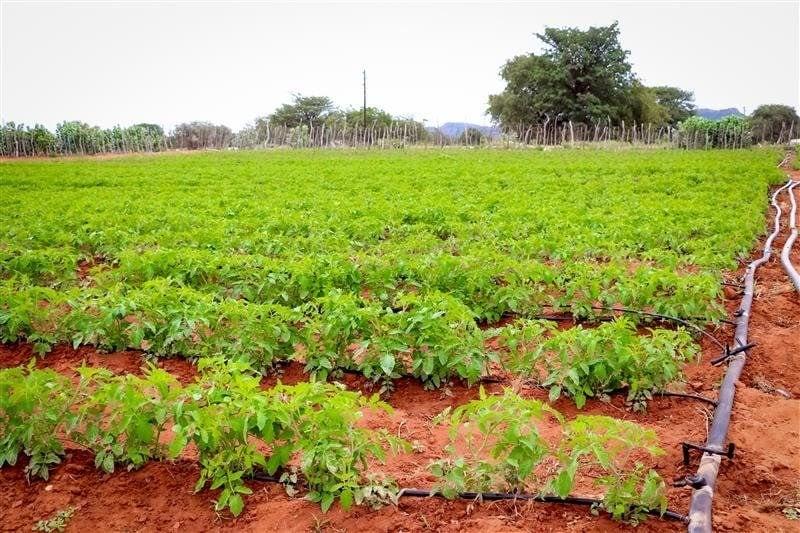
South Africa’s emerging agricultural sector is demonstrating its commercial potential as 17 farming businesses in Musina, Limpopo, have delivered nearly 4,000 tonnes of tomatoes to food manufacturer Tiger Brands. The achievement highlights the growing role of small and emerging producers in supplying major food companies while creating employment and strengthening local agricultural value chains.
The farmers form the second cohort of Tiger Brands’ Hulisani Agriculture Development Programme, an initiative designed to help emerging agricultural businesses improve productivity, develop their commercial operations and gain access to established markets.
The programme is particularly significant for Limpopo, where agriculture remains an important source of economic activity, employment and opportunities for rural communities.
Emerging farmers strengthen South Africa’s food supply chain
The latest harvest represents an important milestone for the participating farming businesses, which collectively supplied tomatoes used in Tiger Brands’ All Gold product range.
The second cohort comprises 17 emerging farming businesses, including 10 women-led or women-participating farming operations. Their combined production demonstrates how targeted support and reliable purchasing arrangements can help smaller producers participate in established commercial supply chains.
The Hulisani initiative builds on an earlier cohort of farmers supported in 2025. The first group of 10 smallholder farmers in Musina delivered more than 3,000 tonnes of tomatoes, exceeding its expected supply volumes.
Across the first two cohorts, 27 farming businesses have collectively supplied more than 7,274 tonnes of locally produced tomatoes, demonstrating the potential of structured partnerships between agricultural producers and large food manufacturers.
For emerging farmers, access to a dependable buyer is particularly important. Producing a commercial crop is only one part of running a successful agricultural business. Farmers must also meet quality requirements, manage production costs, maintain consistent volumes and secure reliable routes to market.
Investment in farming technology improves productivity
One of the important aspects of the Hulisani programme is its focus on practical infrastructure and agricultural technology.
Participating farmers received equipment and technical support intended to improve farm efficiency and address operational challenges.
These interventions include chemical pressure sprayers to support pest management, fertiliser tanks to improve the distribution of nutrients through irrigation systems and drip irrigation infrastructure to improve water-use efficiency.
The programme has also introduced solar panels to reduce dependence on electricity from the national grid and help farmers maintain more reliable power supplies for irrigation activities.
These investments are particularly relevant in South Africa, where water availability, energy costs and climate variability continue to influence agricultural production.
For tomato producers, efficient irrigation and consistent nutrient application can make an important difference to crop development, production planning and the ability to meet supply commitments.
The introduction of solar infrastructure also demonstrates how renewable energy can support agricultural operations, particularly in rural areas where reliable electricity remains an operational consideration.
Women’s participation creates opportunities in rural agriculture
Women’s participation is another important feature of the initiative.
With 10 women among the 17 participating farmers in the second cohort, the programme demonstrates how commercial agricultural partnerships can create opportunities for women-owned and women-led enterprises.
Access to agricultural infrastructure, technical guidance and established buyers can help emerging producers build more sustainable businesses.
The programme also highlights the importance of developing agricultural businesses rather than focusing exclusively on short-term farming assistance.
By supporting farmers with the practical requirements of commercial production, initiatives such as Hulisani can help producers improve their ability to compete, expand operations and participate in the wider food manufacturing industry.
One example is Mudzinginyo, a woman-led farming business in Musina, which delivered 275 tonnes of tomatoes during the latest season. Its production exceeded its contracted volume of 180 tonnes by approximately 53%.
This illustrates the potential of targeted infrastructure investment and improved farming practices to support business growth.
Local production supports food manufacturing
South Africa’s food manufacturing industry depends on consistent agricultural supply to maintain production and meet consumer demand.
Tiger Brands sources tomatoes from commercial and smallholder farmers, including producers in Musina and Lutzville in the Western Cape.
According to the company’s April 2026 announcement, it sources close to 100,000 tonnes of tomatoes annually from more than 100 commercial and smallholder farmers.
The company provides participating producers with specific tomato seedlings and technical guidance to help them meet the quality standards required for its tomato-based products.
Tomatoes harvested in Musina and Lutzville are processed locally before being transported to the All Gold manufacturing facility in Boksburg, Gauteng.
This connection between agricultural production, processing, manufacturing and distribution demonstrates how farming contributes to a wider industrial value chain.
It also highlights the importance of maintaining local agricultural capacity to support food production and reduce dependence on imported agricultural inputs and products.
What the development means for South African agriculture
The Musina farming development offers an example of how partnerships between established companies and emerging producers can support inclusive agricultural growth.
However, scaling these opportunities will require continued investment in irrigation, infrastructure, technical skills, financing and reliable market access.
Farmers must also manage climate-related risks, rising input costs and the operational challenges associated with maintaining consistent production volumes.
For agricultural businesses, food manufacturers and investors, the development reinforces the commercial value of building stronger relationships with local producers.
It also demonstrates that emerging farmers can become important contributors to established supply chains when they have access to the right resources, infrastructure and commercial opportunities.
As South Africa continues to strengthen its agricultural sector, programmes that combine practical farming support with reliable market access could play an important role in developing commercially sustainable rural businesses.
The Musina tomato producers’ achievement is therefore more than a successful harvest. It represents an opportunity to expand local production, create employment, encourage women’s participation in agriculture and strengthen the connection between South African farms and the country’s food manufacturing industry.
Read more: https://www.tigerbrands.com/media/tiger-brands-hulisani-agriculture-development.php