South Africa’s consumer technology market is entering an exciting new chapter as Meta Platforms and global eyewear manufacturer EssilorLuxottica officially introduce their Ray-Ban Meta and Oakley Meta smart glasses to the local market on 26 November 2026. The launch brings artificial intelligence (AI), hands-free photography, communication and connected audio into everyday eyewear, creating new possibilities for consumers, athletes and technology enthusiasts.
The products will be available through selected EssilorLuxottica optical retail partners, Oakley retail stores and online channels across South Africa. Suggested starting prices range from R8,399 to R10,599, depending on the model.
The development represents an important step in the growing convergence between traditional consumer products and artificial intelligence, as technology companies look beyond smartphones to introduce more natural ways for people to interact with digital services.
AI Technology Moves Into Everyday Eyewear
The Ray-Ban Meta collection combines familiar eyewear designs with Meta’s artificial intelligence technology. Rather than requiring users to constantly reach for their smartphones, the glasses allow selected digital activities to be accessed through voice commands and built-in controls.
The Ray-Ban Meta Gen 3 range will feature Wayfarer, Aviator and Zena designs. Users can capture photographs and videos hands-free, listen to music and podcasts, make calls, send messages and interact with Meta AI.
The technology also enables users to ask questions about their surroundings and access selected translation capabilities, depending on regional availability and supported languages.
According to Meta’s September 2026 product announcement, the third-generation Ray-Ban Meta glasses include a 12-megapixel camera, 3K Ultra HD video recording, improved audio capabilities and battery performance of up to nine hours under specified usage conditions.
The collection also includes prescription-friendly options, expanding the potential market beyond consumers who traditionally purchase sunglasses.
This development highlights how wearable technology is increasingly becoming part of everyday consumer experiences rather than remaining limited to specialist technology products.
Oakley Targets Sports and Outdoor Technology Users
While Ray-Ban focuses on everyday use and lifestyle applications, the Oakley Meta collection is designed with sports enthusiasts and outdoor activities in mind.
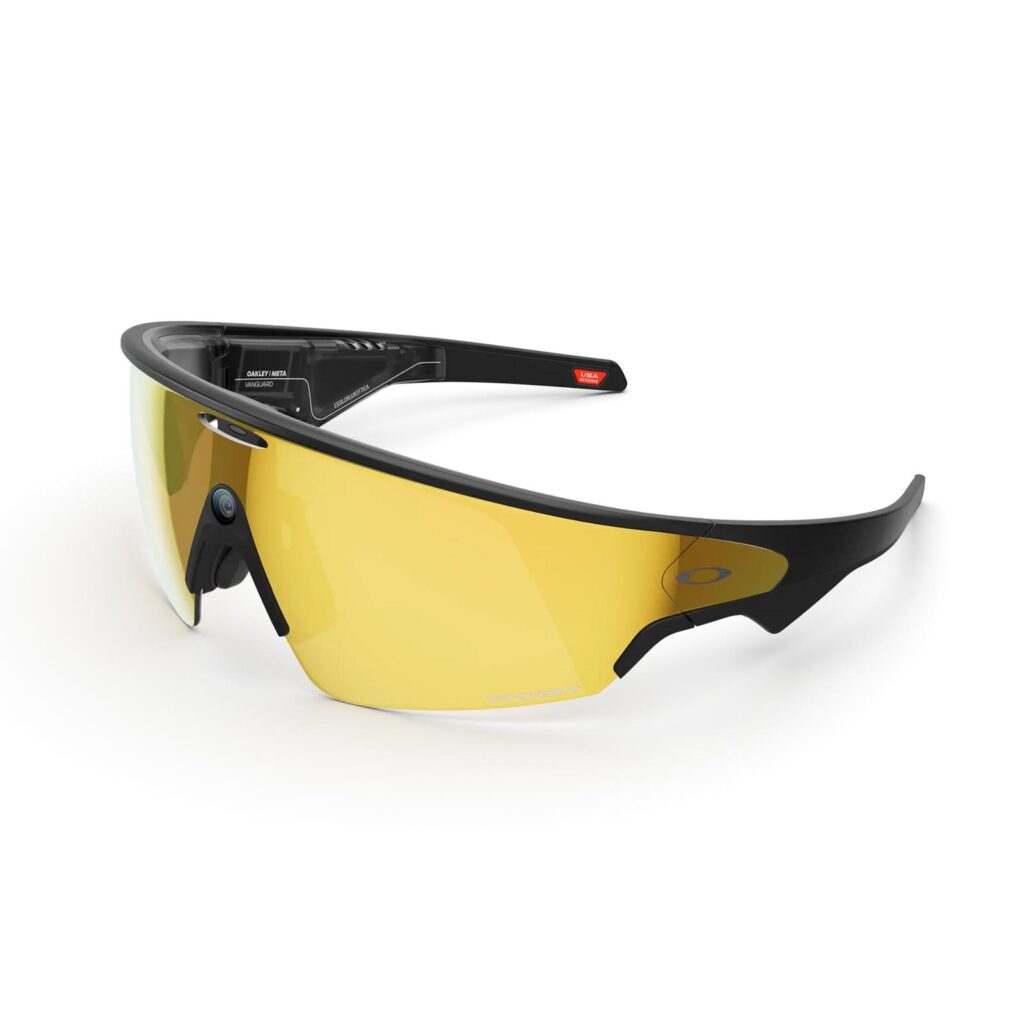
Two models will enter the South African market: Oakley Meta HSTN and Oakley Meta Vanguard.
The HSTN features an integrated 3K Ultra HD camera, open-ear speakers and IPX4 water resistance. Its design combines performance eyewear with connected technology, allowing users to capture activities while remaining engaged with their surroundings.
The Vanguard takes a more specialised approach, targeting runners, cyclists and other outdoor sports enthusiasts.
It features a 12-megapixel ultra-wide camera with a 122-degree field of view, integrated audio and an IP67 water and dust resistance rating. The glasses also support integrations with fitness platforms such as Garmin and Strava.
These capabilities demonstrate the growing relationship between wearable technology, fitness monitoring and artificial intelligence.
For athletes, the ability to access selected performance information, communicate and capture footage without repeatedly handling a smartphone could provide a different way of experiencing outdoor activities.
South African Pricing and Availability
The official South African launch introduces four main product options at the following suggested entry prices:
- Oakley Meta HSTN: R8,399.
- Ray-Ban Meta Gen 3: R8,599.
- Ray-Ban Meta Optics Gen 2: R8,999.
- Oakley Meta Vanguard: R10,599.
The products will be distributed nationally through selected EssilorLuxottica optical retail partners, Oakley retail stores and online channels.
The introduction of official local distribution also provides consumers with an alternative to previously available parallel imports.
However, the companies have not published a complete list of participating South African retailers, so customers should confirm stock availability, warranty arrangements and the features supported locally before purchasing.
Privacy and Data Protection Remain Important Considerations
Despite the excitement surrounding AI-powered eyewear, the introduction of camera-equipped smart glasses also raises important questions about privacy and responsible technology use.
Because the devices can capture photographs and video from the wearer’s point of view, people nearby may not always immediately realise that recording is taking place.
South African businesses, schools, workplaces and public venues may therefore need to consider how these devices should be used within their environments.
The Protection of Personal Information Act (POPIA) remains relevant where identifiable individuals’ personal information is processed. The Information Regulator has previously indicated that the application of privacy legislation depends on the circumstances in which information is collected and processed.
Consumers should also understand the devices’ recording indicators, privacy settings, data-sharing arrangements and applicable consent requirements.
The growth of AI-powered consumer devices makes digital awareness and responsible technology practices increasingly important.
What This Means for South Africa’s Technology Market
The arrival of Ray-Ban Meta and Oakley Meta signals an expanding opportunity for South Africa’s wearable technology market.
For optical retailers, the products introduce a new category that combines traditional eyewear with digital services. For technology companies, they demonstrate the potential to integrate AI into products that consumers already use.
The launch may also encourage greater interest in connected devices, voice-controlled applications and AI-powered personal assistants.
However, affordability will remain an important consideration. With suggested prices starting at R8,399, the products are positioned within the premium consumer electronics market and may initially appeal to higher-income consumers and technology enthusiasts.
As adoption develops, customer experience, practical functionality, privacy protections and local support will influence how successfully the products establish themselves in the South African market.
Ultimately, the launch represents more than the introduction of another pair of smart glasses. It reflects a broader shift towards technology that is increasingly integrated into everyday life, allowing consumers to communicate, capture experiences and access artificial intelligence without relying exclusively on their smartphones.
As wearable AI continues to develop, South Africa will be watching how consumers, businesses and regulators respond to this next generation of connected technology.