
South Africa’s agricultural sector has received some welcome relief following recent rainfall across several farming regions. Improved soil moisture, healthier grazing conditions and rising dam levels are providing support to farmers preparing for the 2026/27 summer production season. However, agricultural experts warn that the threat of El Niño-related drought remains, meaning producers cannot afford to become complacent.
An agricultural update attributed to the Agricultural Business Chamber of South Africa (Agbiz), published on 23 November 2026, highlights the importance of recent rainfall while cautioning that the country could still experience a difficult summer. The current weather pattern offers opportunities for crop development, but prolonged dry conditions and higher temperatures remain significant risks.
Recent rainfall provides temporary relief
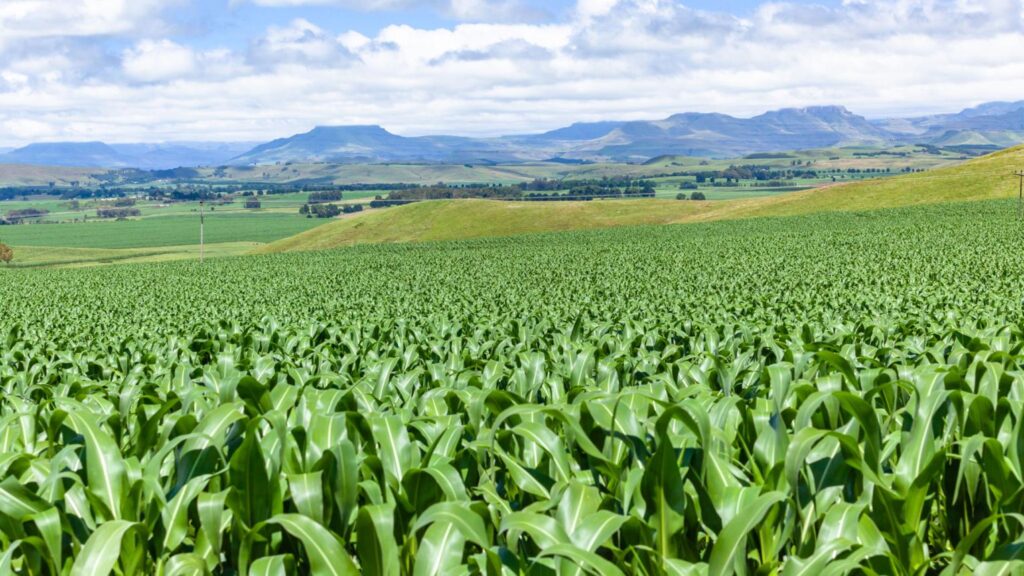
The rainfall received since September has improved agricultural conditions in parts of the country. Farmers in several summer rainfall regions have benefited from better soil moisture, allowing some producers to begin planting earlier than usual.
The improved conditions have also supported grazing pastures, providing additional relief for livestock farmers who depend on natural vegetation to feed their animals.
However, the weather has not been consistent. South Africa experienced a period of intense heat during October, which rapidly reduced soil moisture and created challenges for newly planted crops. More frequent rainfall returned in November, although certain areas also experienced flooding that damaged agricultural infrastructure.
The changing conditions demonstrate how unpredictable weather can affect farming operations, particularly when producers must make decisions about planting, irrigation and crop management.
El Niño remains a major concern for the 2026/27 season
Despite the recent rainfall, El Niño remains one of the biggest concerns facing South African agriculture.
The climate phenomenon influences global weather patterns and is commonly associated with below-normal rainfall and higher temperatures in South Africa’s summer rainfall regions.
The South African government has previously warned that El Niño conditions could create dry conditions and heat stress during the 2026/27 summer season.
The latest Agbiz assessment indicates that the current rainfall should not be interpreted as the end of the drought threat. Instead, the country could experience a delayed period of dryness as the season progresses.
For farmers, this means that soil moisture, water availability and changing weather forecasts will remain important considerations throughout the planting and growing periods.
Farmers adjust crop planting decisions
Weather uncertainty is also influencing planting decisions across the country’s major agricultural industries.
Producers indicated intentions to plant approximately 4.5 million hectares of summer grains and oilseeds during the 2026/27 season. This represents a decline of around 2% compared with the previous production season.
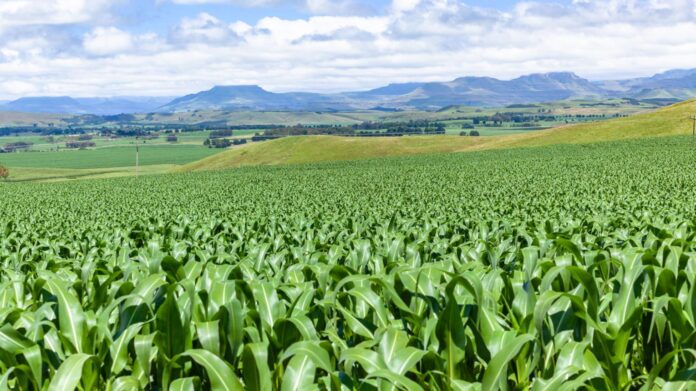
Maize accounts for much of the expected reduction. Plantings are estimated at approximately 2.4 million hectares, around 12% lower than the previous season and potentially the lowest area in eight years.
White maize plantings are estimated at approximately 1.4 million hectares, while yellow maize accounts for about one million hectares.
Meanwhile, soybean plantings are expected to remain relatively stable at approximately 2.4 million hectares.
Sunflower seed is attracting increased interest, with intended plantings estimated at 824,600 hectares, representing a 45% increase compared with the previous season.
The shift reflects producers’ efforts to manage production risks and consider crops that may perform better under challenging weather conditions.
Cotton could also attract additional planting interest because of its ability to perform under relatively dry conditions.
Water availability remains critical for fruit and vegetable producers
Although rainfall is important for all agricultural activities, its impact is particularly significant for producers who depend on irrigation.
South Africa’s commercial fruit and vegetable production relies heavily on irrigation, making dam levels and water availability essential to maintaining production.
According to the Agbiz assessment, improved rainfall could strengthen water supplies and support fruit and vegetable producers in the coming months.
For field crops, only a portion of the cultivated area is irrigated, leaving many producers dependent on seasonal rainfall.
This creates different levels of exposure across the agricultural sector. While improved dam levels may benefit irrigated farms, dryland producers remain vulnerable to unpredictable rainfall and extended periods of high temperatures.
What this means for the agricultural economy
South Africa’s agricultural performance has important implications for food security, employment, exports and the wider economy.
A favourable rainfall pattern can support crop development, improve livestock grazing and strengthen agricultural output. However, a prolonged drought could reduce yields, increase production costs and place pressure on farming businesses.
The sector is also entering the new season with different conditions across commodities. While some producers are benefiting from improved moisture, others must manage higher production risks and carefully consider their planting strategies.
For agricultural businesses, input suppliers, financial institutions and food processors, monitoring changing weather conditions will be important when planning production, investment and supply chains.
The coming months will therefore be important in determining whether recent rainfall translates into stronger agricultural performance or whether the anticipated El Niño conditions begin to affect production more severely.
Building resilience beyond the rainfall
The latest developments highlight the importance of long-term agricultural resilience.
Farmers increasingly need access to reliable seasonal forecasts, soil moisture information and practical advice that can help them make informed production decisions.
Improved water management, appropriate crop selection, efficient irrigation systems and soil conservation practices can also help producers reduce exposure to changing climate conditions.
Collaboration between agricultural organisations, government departments, researchers and financial institutions will remain essential in supporting farmers through uncertain seasons.
South Africa’s recent rainfall is an encouraging development, but it does not remove the risks facing the agricultural sector. As the 2026/27 summer season progresses, the ability of farmers to adapt to changing conditions will play an important role in protecting production, supporting rural livelihoods and maintaining the country’s food security.
Read more: https://agbiz.co.za/