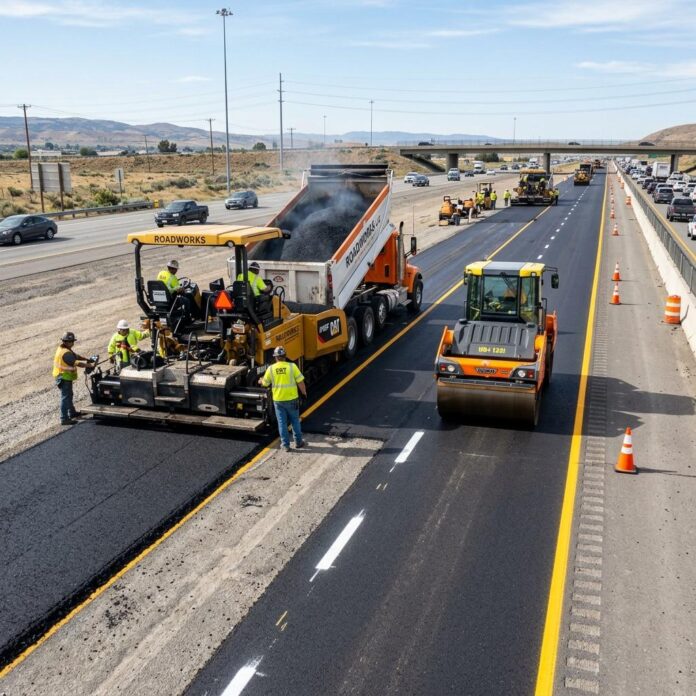

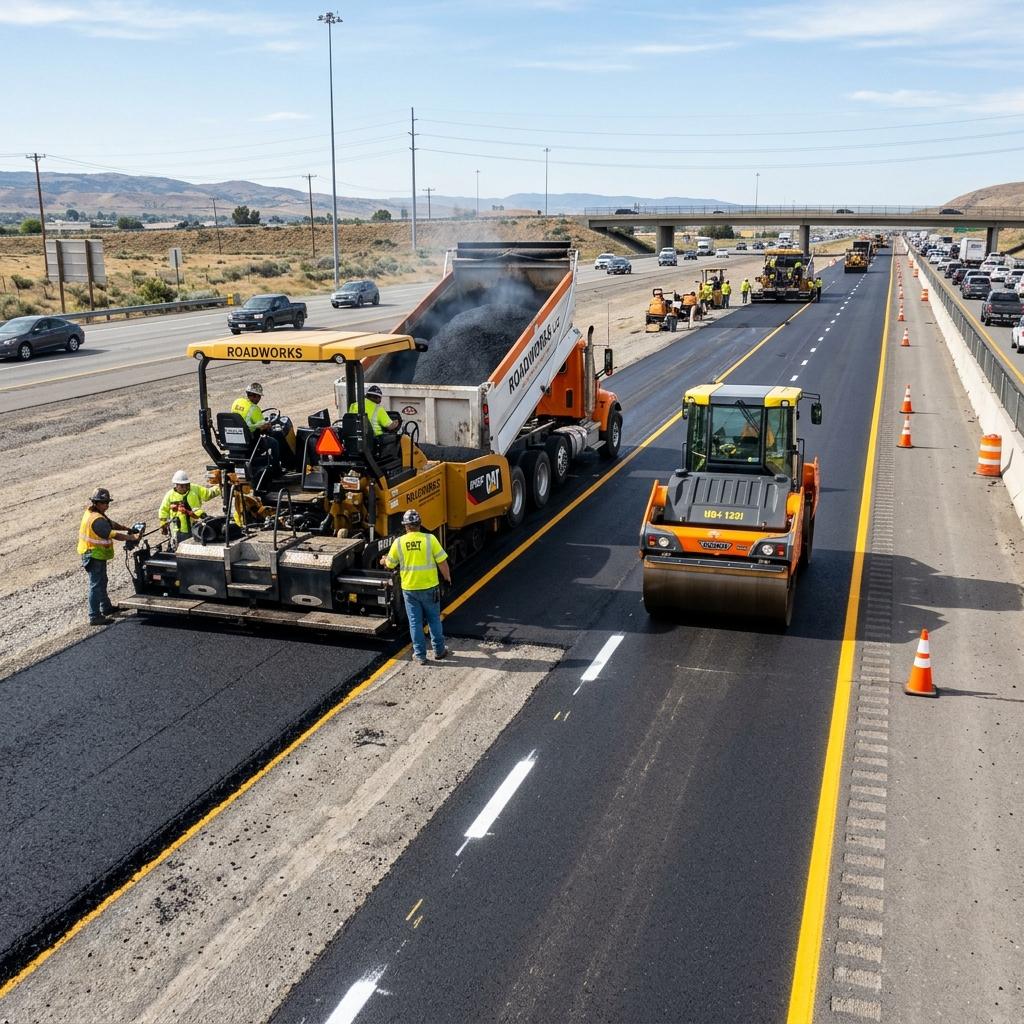
South Africa’s construction industry has received another significant boost following the award of three major road resurfacing contracts worth approximately R1.43 billion by the South African National Roads Agency Limited (SANRAL). The projects, which cover sections of the R21, N3 and N17 national roads, represent an important investment in the country’s transport infrastructure while creating opportunities for construction businesses, local suppliers and communities.
Announced on 3 November 2026, the contracts span the City of Tshwane and City of Ekurhuleni metropolitan municipalities, with one section extending into Mpumalanga. The investment forms part of SANRAL’s ongoing programme to maintain national roads, improve road safety and strengthen the transport network supporting economic activity.
Three Major Road Projects Awarded
The largest contract involves the resurfacing of the R21 between the Olifantsfontein and Hans Strydom interchanges in Tshwane. Roadmac Surfacing (Pty) Ltd has been awarded the project at a contract value of R499.8 million.
Construction is expected to begin in January 2027, with completion anticipated in April 2028. The work will include resurfacing, replacing damaged danger plates at culvert structures, installing new regulatory and warning signs, replacing guardrails where necessary and applying new road markings and road studs.
The second project involves the N3 between the Heidelberg Road and Geldenhuys interchanges in Ekurhuleni. Roadspan Surfaces (Pty) Ltd secured the R463 million contract.
Construction is scheduled to begin towards the end of February 2027 and is expected to be completed in September 2028. In addition to resurfacing, the programme includes drainage repairs, guardrail installation and replacement, road signage improvements and the installation of new road markings and studs.
The third contract, valued at approximately R469.5 million, has been awarded to Roadmac Surfacing for the N17 between Springs and the Leandra Interchange.
The project begins in Ekurhuleni and extends into the Gert Sibande District in Mpumalanga, ending near the Leandra toll plaza. Construction is expected to commence in May 2027. Planned work includes removing existing asphalt, applying a new road surface and replacing bridge joints.
Together, the three projects represent approximately R1.432 billion in construction investment across important transport corridors.
Infrastructure Investment Beyond Road Maintenance
The importance of these contracts extends beyond improving the physical condition of South Africa’s roads.
The R21, N3 and N17 form part of an important transport network connecting industrial centres, residential communities, logistics operations and commercial destinations. These routes support the movement of people and goods, making their maintenance important for economic productivity.
Road deterioration can increase vehicle operating costs, contribute to delays and create safety risks for motorists and freight operators. Resurfacing and improving drainage, road markings and safety infrastructure can help address these challenges.
For businesses operating in logistics, manufacturing, distribution and construction, reliable road infrastructure remains an important component of operational efficiency.
The projects also demonstrate the continuing demand for specialist construction services, including asphalt production, road engineering, materials supply, traffic management and civil works.
30% Allocation Creates Opportunities for Local Businesses
One of the most significant elements of SANRAL’s announcement is the commitment to public participation.
According to the agency, 30% of the final contract award value for each project will be allocated towards public participation initiatives.
These provisions are intended to create opportunities for targeted labour and enterprises, including businesses owned by young people, women, military veterans and persons living with disabilities.
The initiative could provide opportunities for smaller construction companies and local suppliers to participate in projects that would otherwise be dominated by larger contractors.
For emerging enterprises, involvement in major infrastructure projects can provide practical experience, strengthen business credentials and create opportunities to compete for future contracts.
SANRAL has also incorporated community-based training opportunities through Technical and Vocational Education and Training (TVET) colleges and universities.
This is particularly important for South Africa’s construction industry, which requires a pipeline of skilled workers across engineering, project management, road construction and infrastructure maintenance.
Construction Timeline and Industry Outlook
Although the contract awards have been confirmed, construction will not begin immediately. Each project requires a mobilisation period before work starts.
The different commencement dates mean that the three projects will enter their construction phases progressively during 2027.
This provides contractors and potential suppliers with time to prepare for procurement requirements, workforce planning, equipment mobilisation and project execution.
The awards also come amid renewed attention on infrastructure investment and the need to strengthen South Africa’s public transport and freight networks.
For construction companies, major road maintenance contracts can provide opportunities to secure work, expand operational capacity and develop partnerships with local businesses.
However, effective project delivery will depend on cost management, contractor performance, materials availability, safety compliance and the ability to minimise disruption to road users.
What This Means for South Africa’s Construction Sector
SANRAL’s R1.43 billion investment highlights the economic importance of maintaining existing infrastructure alongside developing new roads and transport facilities.
For the construction industry, the contracts offer opportunities across road engineering, materials supply, specialist construction services and skills development.
For communities, the public participation commitments could help widen access to employment, training and enterprise development.
The next important milestone will be the commencement of construction in 2027, followed by the successful delivery of the three projects within their anticipated timeframes.
As South Africa continues to focus on infrastructure development, investments of this scale demonstrate how road maintenance can contribute to economic activity while supporting the development of local construction capacity.
Read more: https://stop-over.co.za/sanral-awards-r1-43-billion-in-road-construction-projects-in-gauteng/