South Africa is placing renewed emphasis on the professional development, regulatory compliance and service standards of social service practitioners as the country seeks to strengthen support for individuals, families and communities.
Social workers, child and youth care workers and community development practitioners play an important role in helping people navigate difficult circumstances. Their work can include supporting vulnerable children, assisting families in crisis, connecting communities with essential services and helping individuals access social development programmes.
The quality of these services depends not only on the availability of funding and resources, but also on the training, professional standards and institutional support available to the people delivering them.
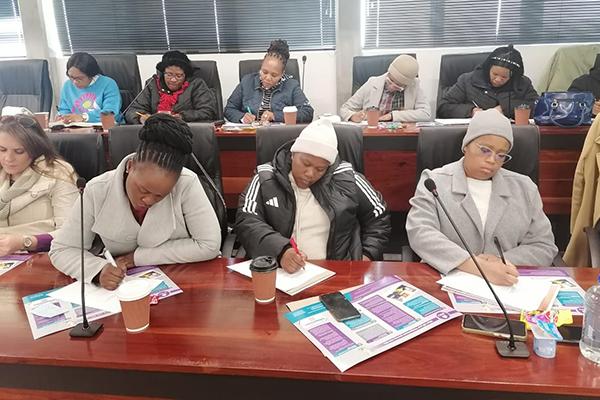
A Department of Social Development initiative taking place from 14 to 16 October 2026 is bringing these issues into focus. According to a government announcement issued on 14 October, the department is leading a session at Birchwood Hotel in Boksburg, Gauteng, aimed at repositioning the social service practitioners’ profession and strengthening the contribution of the social service workforce.
The gathering brings together departmental officials, national programme managers, supervisors and other stakeholders involved in social service delivery.
Strengthening professional standards
The department has identified professional excellence, regulatory compliance and quality service delivery as central themes of the session.
Social service practitioners often work with people experiencing complex challenges, including family difficulties, child protection concerns, poverty and social exclusion. Their responsibilities require appropriate professional knowledge, sound judgement and the ability to work within established legal and ethical frameworks.
Professional development helps practitioners maintain their knowledge, understand changing requirements and improve the way they respond to the needs of service users.
Regulatory compliance is also important because social services frequently involve vulnerable individuals whose safety, dignity and rights must be protected.
The department’s initiative seeks to strengthen professional governance and improve alignment between regulatory requirements and everyday departmental practice.
For practitioners, stronger professional support can help clarify responsibilities and create more consistent expectations across teams and institutions. For communities, effective implementation could contribute to more reliable and accountable services.
However, the impact of the initiative will depend on how the agreed priorities are translated into practice, including whether practitioners receive appropriate training, supervision and support.
A coordinated approach to training and development
One of the stated objectives of the session is to establish a coordinated approach to professional support, training, learning and development.
Training is particularly important in a field where practitioners must respond to changing community needs and work with people from different social and economic backgrounds.
Continuing professional development can help workers strengthen communication, case management, safeguarding and collaborative problem-solving skills. It can also help supervisors support their teams and identify areas where additional guidance is required.
The department has indicated that participants will work towards agreed governance frameworks covering professional compliance, support and development.
The session is also intended to identify provincial implementation priorities for the 2027/28 reporting cycle.
This forward-looking component is significant because a national policy or professional standard must be implemented consistently across different provinces and service environments. Provincial priorities can help clarify which actions need to be taken, who is responsible and how progress should be monitored.
A coordinated approach may also help reduce duplication between programmes and improve the way information and good practices are shared.
Why social service delivery matters
Social services are an important part of South Africa’s broader social development system. They help connect people with assistance and support structures when they face circumstances that may be difficult to manage independently.
Children and young people may require protection and care. Families can need support when facing severe hardship, while communities may benefit from development initiatives that strengthen participation and self-reliance.
Practitioners frequently work across organisational boundaries, making cooperation between government departments, community organisations and other service providers essential.
When responsibilities are unclear or professional support is inadequate, services can become fragmented. People seeking assistance may face delays, repeated assessments or difficulty understanding which organisation can help them.
Strengthening professional governance and staff development can contribute to more coordinated responses, although improvements also depend on staffing levels, available resources, effective management and accessible services.
The department’s focus on strengthening the social service workforce therefore has implications beyond professional administration. It concerns the capacity of the wider system to respond to the needs of the people it serves.
Supporting the people who support communities
Social service work can involve emotionally demanding situations, complex decisions and considerable responsibility.
Professional supervision and access to appropriate training can help practitioners manage these demands while maintaining ethical standards and service quality.
Employers and public institutions also have a role in creating working environments where practitioners can seek guidance, raise concerns and continue developing their capabilities.
A stronger professional development framework could help organisations identify skills gaps and establish clearer development pathways for employees.
For young people considering careers in social work, child and youth care or community development, the discussion also highlights the importance of recognised qualifications, professional requirements and continuing learning.
Anyone interested in entering these fields should consult the relevant training institutions and professional regulatory bodies to confirm qualification and registration requirements.
Turning priorities into measurable improvements
The Department of Social Development’s three-day session is expected to produce agreed governance frameworks, provincial implementation priorities and closer alignment between regulatory requirements and departmental practice.
These objectives provide a basis for assessing whether the initiative leads to practical changes.
Useful indicators could include improved access to professional development, clearer supervision arrangements, stronger compliance processes and more consistent service delivery. These are potential measures of progress, not outcomes already confirmed by the department.
Following the session, implementation will be important. Agreed priorities need to be communicated, responsibilities assigned and progress reviewed to ensure that professional development translates into meaningful improvements.
Collaboration with provincial departments, training institutions and relevant professional bodies can also help ensure that standards are understood and applied.
Investing in a stronger social service workforce
South Africa’s social development objectives depend in part on the people responsible for translating policies and programmes into support for individuals and communities.
Strengthening professional standards, improving access to learning and development, and promoting coordinated service delivery can help build a workforce better equipped to meet these responsibilities.
The Department of Social Development’s October session provides an opportunity to bring these priorities together and establish a clearer direction for professional practice.
Ultimately, the success of such efforts will be measured not only by the frameworks developed at meetings, but by whether practitioners are better supported and communities experience more accessible, consistent and effective services.