

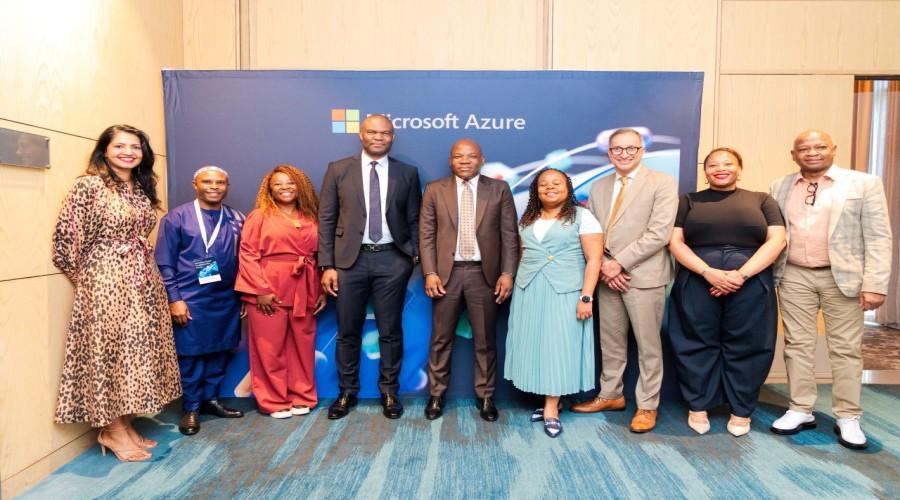
South Africa is taking another step towards building an artificial intelligence-ready workforce following a new partnership between the Western Cape Government and Microsoft aimed at expanding access to digital and AI skills.
The two organisations have launched CAPEability AI, a province-wide initiative designed to help residents develop practical technology skills, improve their employment prospects and participate in an economy increasingly shaped by artificial intelligence.
Announced on 17 November 2026, the programme comes at a time when businesses across industries are incorporating AI into their operations, increasing demand for workers who understand how to use emerging technologies effectively.
The initiative will focus particularly on young people aged between 18 and 35, including unemployed youth, jobseekers and individuals who face barriers to accessing digital training and technology resources.
Bringing AI training closer to communities
One of the most significant aspects of CAPEability AI is its approach to accessibility.
Instead of relying entirely on new training facilities, the programme will use existing public infrastructure throughout the Western Cape. This includes 83 Western Cape Government e-Centres and 375 public library service points.
These facilities are expected to help residents access learning opportunities, technology resources and community support closer to where they live.
The partnership brings together the Western Cape Government’s community infrastructure and Microsoft’s technology, learning resources and experience in digital skills development.
For communities where access to computers, reliable internet connectivity and professional training opportunities remains limited, this approach could help reduce some of the barriers preventing people from participating in the digital economy.
Western Cape Premier Alan Winde said the province needed to ensure that opportunities in the AI economy were not restricted to people with access to the best devices, connectivity, education or professional networks.
The initiative forms part of the provincial government’s Growth for Jobs Strategy 2023–2035, which aims to accelerate economic growth and employment by expanding participation in economic opportunities.
Rising demand for artificial intelligence skills
The partnership reflects the growing importance of AI capabilities in South Africa’s employment market.
According to information published by Microsoft alongside the announcement, advertised demand for AI expertise in South Africa has increased by 352% since 2019. The Western Cape accounts for almost a quarter of advertised vacancies requiring these skills.
The figures highlight how quickly technology requirements are changing across the labour market.
Artificial intelligence is increasingly being applied in areas such as financial services, healthcare, manufacturing, retail, education, customer service and business administration.
Organisations are using AI-powered tools to analyse information, automate repetitive processes, improve customer experiences and support business decisions.
However, the growing adoption of these technologies also creates pressure on employers to find people with the skills needed to implement, manage and use AI responsibly.
Microsoft’s Global AI Diffusion research ranked South Africa 46th out of 147 economies for AI adoption in early 2026. This points to the importance of strengthening foundational digital knowledge while expanding access to more advanced technology training.
What participants will learn
CAPEability AI is designed to connect digital learning with practical applications that can support career development and entrepreneurship.
Its learning pathways cover several areas, including digital literacy, productivity tools, artificial intelligence, Microsoft Copilot, employability skills, entrepreneurship and more advanced emerging technology skills.
Participants will be able to assess their existing capabilities, identify relevant learning opportunities and connect with further training, credentials and employment support.
An additional feature is an AI-supported CV-builder designed to help jobseekers improve their CVs for specific employment opportunities. Users will remain in control of the suggested changes.
This feature is particularly relevant as recruitment processes and workplace expectations continue to evolve. Understanding digital tools and presenting relevant skills effectively can help jobseekers position themselves more competitively.
The programme also aims to connect participants with further learning, internships, entrepreneurship support and potential employment opportunities.
Beyond training: Measuring real economic impact
While access to technology training is important, the success of the initiative will ultimately depend on whether participants can translate their learning into meaningful opportunities.
Microsoft and the Western Cape Government intend to monitor more than just enrolment numbers.
The programme will consider course completion, improvements in digital literacy and participants’ progression into further education, internships, entrepreneurship programmes and employment.
Learner feedback will also contribute to regular programme reviews, allowing the initiative to respond to changing technology requirements and community needs.
This approach recognises that completing an online course does not automatically translate into employment. Practical experience, recognised credentials, workplace readiness and access to professional opportunities remain important.
What this means for South African businesses
The initiative also carries implications for businesses operating in the Western Cape and across the country.
As companies increasingly introduce automation and AI-powered systems, employers will need people who can work alongside these technologies, understand their limitations and apply them to real business challenges.
For small and medium-sized enterprises, improved access to digital skills could also support innovation, productivity and the development of new business models.
Entrepreneurs with a stronger understanding of AI may be better positioned to explore opportunities in digital services, business automation, online commerce and technology-enabled solutions.
However, businesses will also need to consider responsible AI adoption, data protection, cybersecurity and the importance of human oversight when introducing automated systems.
Building a more inclusive digital economy
CAPEability AI forms part of Microsoft’s wider efforts to expand access to digital and artificial intelligence skills through partnerships with governments and institutions.
Microsoft reports that its AI Skilling Initiative, launched in 2024, reached 36 million people in its first year and has trained more than 1.9 million South Africans to date.
The Western Cape partnership adds another community-focused dimension to these efforts by connecting technology learning with existing public infrastructure and employment support.
South Africa’s ability to benefit from the AI economy will depend not only on investment in technology but also on whether its people have the skills and opportunities to participate.
By bringing AI learning closer to communities, CAPEability AI aims to help young people and aspiring entrepreneurs prepare for changing workplace demands.
The longer-term challenge will be ensuring that these learning opportunities lead to measurable improvements in employability, business development and economic participation.
As artificial intelligence continues to reshape industries, initiatives that connect digital education with practical economic opportunities could become an increasingly important part of South Africa’s technology development.