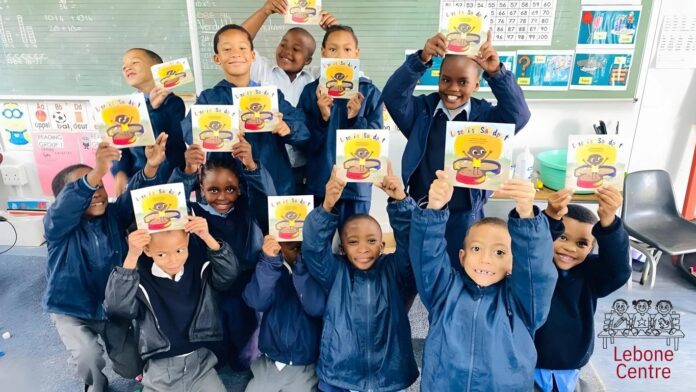

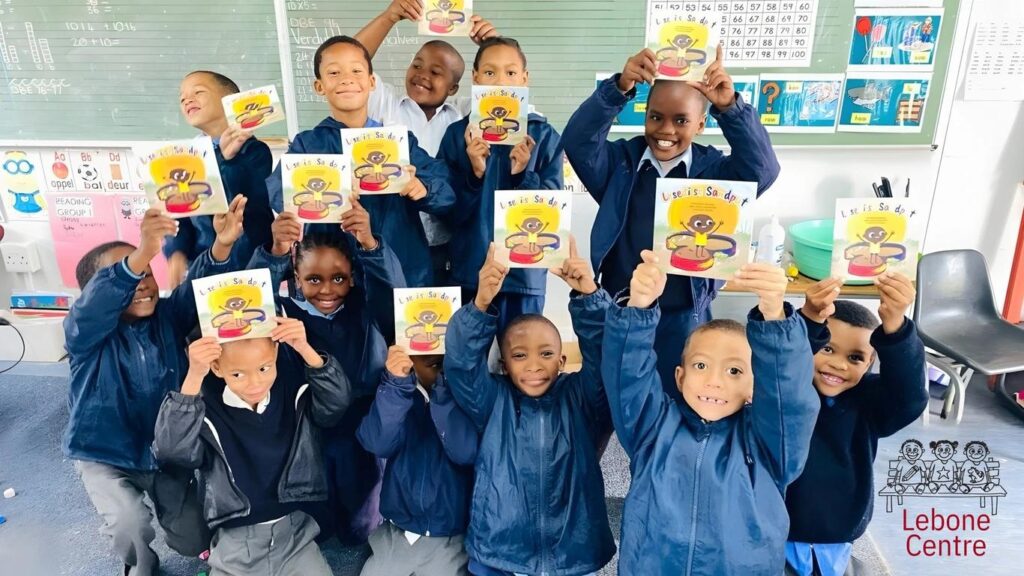
South Africa’s business and education sectors are joining forces in an ambitious initiative aimed at addressing one of the country’s most pressing educational challenges: childhood literacy. Business Process Enabling South Africa (BPESA) and education organisation Mellon Educate have launched the Future Workforce Partnership 2030, a national initiative targeting literacy support for 500,000 South African children by the end of the decade.
Announced on 17 November 2026, the partnership aims to establish 350 literacy hubs across all nine provinces and create employment opportunities for 750 community literacy tutors. The programme brings together businesses, education organisations and community-based resources to improve children’s reading abilities while strengthening the country’s future workforce.
The announcement comes against a concerning educational backdrop. According to the 2021 Progress in International Reading Literacy Study (PIRLS), 81% of South African children aged between nine and ten cannot read for meaning. This challenge affects more than academic performance, as reading comprehension is fundamental to learning, communication and future employment.
A National Partnership Focused on Literacy
The Future Workforce Partnership 2030 aims to expand Mellon Educate’s existing Literacy Hub model, which focuses on providing targeted reading support to children in communities.
Under the programme, young people will be recruited from local communities and trained as Community Literacy Tutors. These tutors will work directly with learners, delivering structured literacy sessions designed to strengthen reading comprehension and build confidence.
The initiative also introduces an employment component by creating opportunities for young people to participate in education and community development. Instead of viewing literacy as an issue affecting children alone, the partnership recognises that investing in education can also contribute to employment and economic development.
BPESA CEO Reshni Singh highlighted the importance of improving literacy for an industry that relies heavily on communication and comprehension.
South Africa’s business process outsourcing (BPO) industry currently employs approximately 200,000 people, with ambitions to grow employment to between 250,000 and 500,000. The partnership therefore positions literacy as an important investment in the country’s future talent pipeline.
350 Literacy Hubs and 750 Community Tutors by 2030
The partnership has established three major targets for 2030:
- Reach 500,000 South African children with literacy support.
- Establish 350 Literacy Hubs across all nine provinces.
- Employ 750 Community Literacy Tutors.
The rollout will build on Mellon Educate’s established programme in the Western Cape before expanding into Gauteng, KwaZulu-Natal and the Eastern Cape, with further expansion planned across the country.
The Literacy Hub approach is designed to bring learning support closer to communities, making it easier for children to access additional reading assistance.
An important feature of the programme is its use of technology. AI-powered digital hubs will provide personalised learning support to children while giving tutors and teachers access to real-time information about learner progress.
This could help educators identify areas where children need additional assistance and make it easier to monitor improvements over time.
Businesses Encouraged to Support the One Agent, One Child Model
A central feature of the partnership is its proposed One Agent, One Child funding model.
The initiative encourages employees working in South Africa’s BPO industry, together with international clients, to contribute R200 per month per agent towards supporting a child’s literacy development.
The programme aims to secure contributions from 50,000 agents, representing 25% of the approximately 200,000 South African-based agents serving international markets.
The partnership will also seek financial support from government departments, provincial education authorities, corporate organisations, education and digital grants, and individual philanthropic contributors.
For participating businesses, the initiative offers an opportunity to contribute towards measurable social development outcomes while strengthening their environmental, social and governance (ESG) commitments.
It also provides an opportunity for companies to involve employees in community development activities and demonstrate how business investment can contribute to broader national priorities.
Why Literacy Matters for South Africa’s Future Workforce
The partnership highlights the connection between education and economic development.
Reading is one of the foundational skills required across almost every profession. From customer service and administration to financial services, technology and management, employees need to understand information, communicate effectively and solve problems.
For South Africa’s growing BPO industry, these capabilities are particularly important. The sector provides employment opportunities for thousands of people and serves international businesses that depend on effective communication and customer support.
However, expanding the industry will require a steady pipeline of individuals with the necessary educational foundations and workplace skills.
By investing in children’s literacy today, the partnership aims to contribute towards a stronger future workforce while addressing an educational challenge that has affected communities across the country.
Mellon Educate founder Niall Mellon emphasised the importance of community participation in achieving the programme’s objectives. The organisation has worked with South African communities since 2002, with education becoming its central focus in 2013.
The new partnership provides an opportunity to expand a model that has already been developed in the Western Cape and extend its reach nationally.
A Long-Term Investment in Education and Employment
While the 500,000-child target represents a significant ambition, the initiative’s success will depend on sustained funding, effective implementation and collaboration between businesses, communities and education stakeholders.
The establishment of 350 literacy hubs will require trained tutors, appropriate learning resources, consistent monitoring and continued participation from supporting organisations.
The use of AI-powered learning tools also introduces opportunities to strengthen literacy support, although technology will need to complement rather than replace the important role played by teachers and community tutors.
As the programme expands, its progress will be measured not only by the number of children reached but also by improvements in reading comprehension, the sustainability of community employment and the long-term impact on participating learners.
For South Africa, the Future Workforce Partnership 2030 represents an important example of how private-sector collaboration can support education while addressing youth employment challenges.
With a target of 500,000 children, 350 literacy hubs and 750 community tutors, the initiative places literacy at the centre of conversations about skills development, inclusive growth and the country’s future economic competitiveness.
Businesses, education stakeholders and community organisations interested in supporting the initiative can contact BPESA directly for further information.
Read more: https://www.bpesa.org.za/