
West Wits Mining is reporting significant progress at its Qala Shallows gold project in Gauteng, South Africa, after nearly tripling its monthly underground development rate between July and September 2026.
In its quarterly activity and cashflow report released on 27 October 2026, the company said underground development advanced from 73 metres in July to 183 metres in August before reaching a record 200 metres in September. Total development during the July-to-September quarter reached 456 metres, bringing cumulative project development to 1,150 metres.
The figures indicate an acceleration in the construction and development work required to prepare the operation for larger-scale gold production. The project is located within South Africa’s historic Witwatersrand Basin, an area associated with the country’s long-established gold-mining industry.
For mining contractors, equipment suppliers and infrastructure service providers, the update offers insight into how underground access, surface facilities and operational readiness progress together during the development of a gold mine.
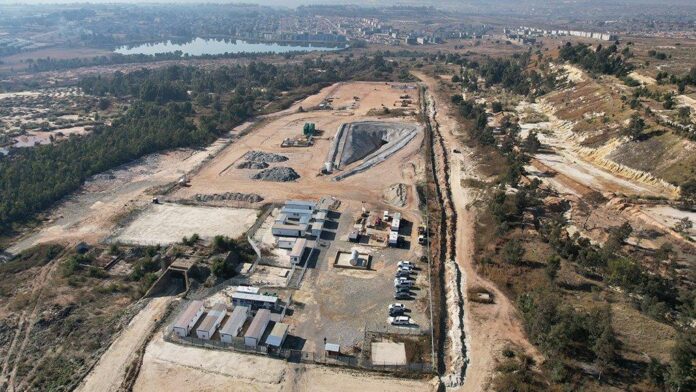
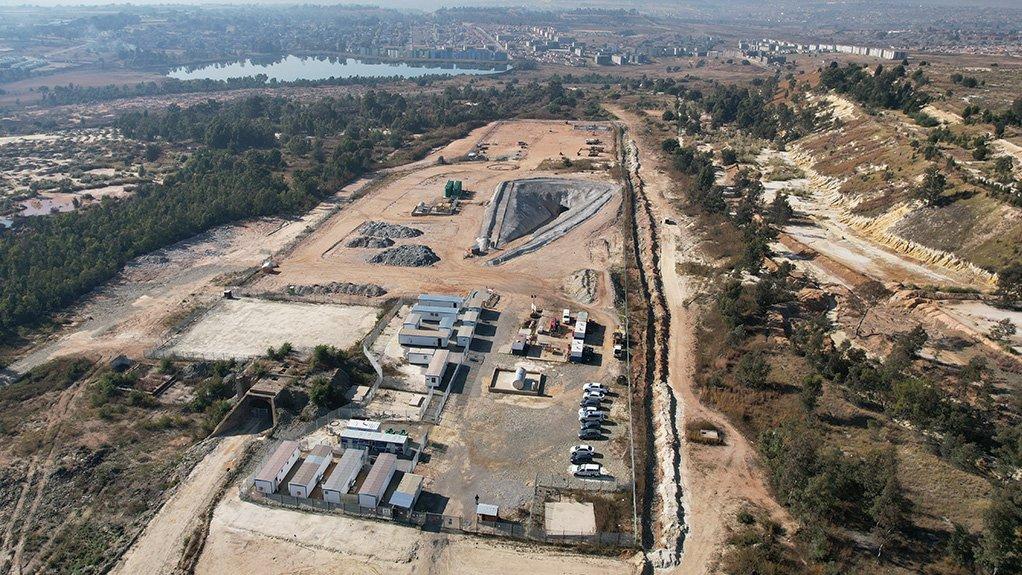
Surface infrastructure reaches 61% completion
Alongside the underground advances, West Wits reported that surface infrastructure at Qala Shallows was 61% complete at the end of September, compared with 45% at the end of June 2026.
The company’s haulage road was reported as 100% complete and handed over. Work on the pollution control dam and permanent ore-handling facility was also at an advanced stage.
These facilities form an important part of the supporting infrastructure required to move material, manage site operations and prepare for increased production. Their completion will be important as the project moves from development activities towards a more established mining operation.
West Wits expects critical surface infrastructure to be completed in the third quarter of 2027. This milestone precedes the company’s targeted commercial production date in the fourth quarter of 2027.
The schedule remains a company forecast and depends on continued execution of the development programme.
A pathway towards primary production
The Qala Shallows project is progressing beyond the initial development phase towards primary production from stoping, the process of extracting ore from prepared sections of an underground deposit.
According to the quarterly report, historic Level 2 stoping areas are being developed for trackless equipment following a breakthrough at the 1 West Decline. West Wits has scheduled the commencement of stoping for February 2027.
The transition is significant because underground development establishes the access and working areas required for sustained ore extraction. Moving into primary production would represent another step towards the project’s longer-term operating targets.
West Wits forecasts gold production of between 10,000 and 15,000 ounces in 2027, followed by approximately 42,500 ounces in 2028. The company is targeting a steady-state production rate of 70,000 ounces annually in the first quarter of 2029.
These figures are forward-looking targets rather than guaranteed production outcomes. Actual performance will depend on factors including operational execution, mine conditions, equipment availability and the successful completion of supporting infrastructure.
Funding supports the development programme
Financing is another important element of the project’s progress.
West Wits reported that it received a second drawdown of R236 million under its R875 million senior loan facility with Absa and Nedbank Corporate and Investment Banking after the reporting period. Total drawdowns under the facility reached R575 million, leaving R300 million available.
The company stated that the project remained funded to steady-state production following the additional drawdown and the completion of the lenders’ independent cost-to-complete assessment.
Funding availability is important for a development project of this nature because underground construction, equipment procurement, site infrastructure and the preparation of production areas require sustained investment before full-scale output is achieved.
For contractors and suppliers, the development programme also illustrates the interconnected nature of mine construction, financing and production planning.
Workforce growth and mine safety
West Wits reported that its site workforce increased to 507 employees at 30 September 2026, compared with 431 at the end of June. The company is preparing for a workforce of approximately 1,100 people at steady-state operations.
This planned expansion points to potential demand for operational skills, technical services, maintenance, logistics and other mine-support functions as development continues.
However, workforce growth must be matched by strong safety management. The report highlighted the company’s Zero Harm Pledge and its participation in industry discussions on preventing mud-rush incidents.
A mud rush can occur when water-saturated material moves suddenly through underground workings, creating serious risks for workers and infrastructure. Following a fatal mud-rush incident at Qala Shallows in June 2026, West Wits said the Department of Mineral and Petroleum Resources had completed its formal investigation and lifted all operational restrictions, with no adverse findings against the company.
The company also identified ground and water management as central areas of focus underground. Continued attention to these risks will remain important as development rates increase and additional working areas are prepared.
What the project means for South African mining
The latest update highlights the multiple stages involved in bringing a mining development towards commercial production. Underground access, surface infrastructure, financing, workforce readiness and safety systems must advance together if production targets are to be achieved.
For South Africa’s mining supply chain, projects moving through this phase can create opportunities for engineering firms, equipment providers, construction contractors and technical-service businesses. They also demonstrate the importance of careful project planning and effective risk management.
West Wits has set out a clear series of milestones: completion of critical surface infrastructure in the third quarter of 2027, commercial production in the fourth quarter of 2027 and a targeted steady-state rate of 70,000 ounces annually in early 2029.
The next phase will be measured by whether the company can maintain development momentum, complete the remaining infrastructure and safely progress towards primary production.
Read More: https://westwitsmining.com/announcements/RQVLdk-quarterly-activity-cashflow-reports