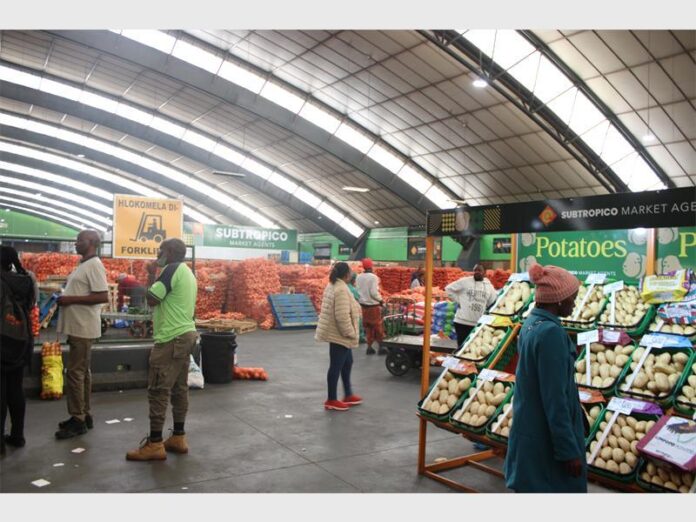

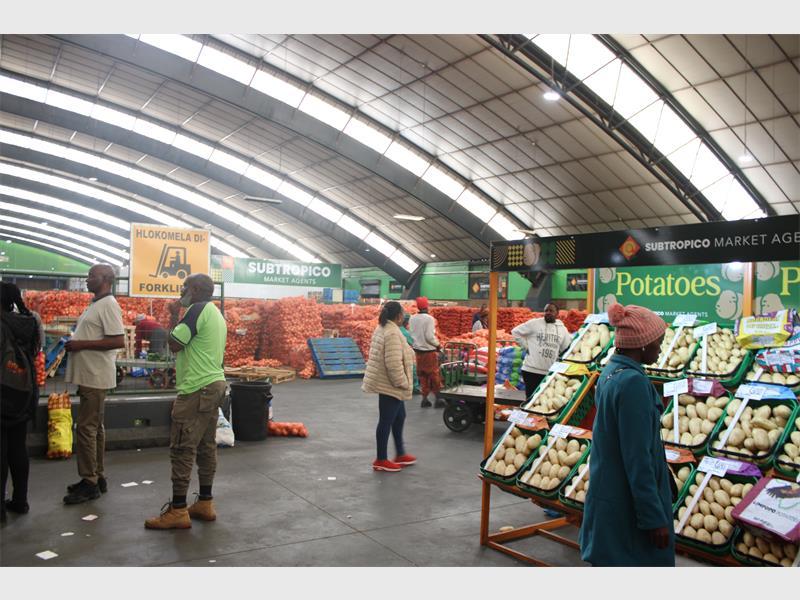
A new renewable energy development is taking shape in Springs, Gauteng, where a 25.6-megawatt-peak (MWp) solar photovoltaic project will transform the roof of the Springs Fresh Produce Market and surrounding unused land into an electricity-generating asset.
The R360 million investment marks a significant step in Ekurhuleni’s efforts to diversify its electricity supply through partnerships with independent power producers. The project forms part of the City’s Independent Power Producer Programme, which seeks to bring additional generation capacity into the municipal electricity network.
The groundbreaking ceremony took place on 22 October 2026, with Minister of Electricity and Energy Dr Kgosientsho Ramokgopa and Ekurhuleni Executive Mayor Alderman Nkosindiphile Xhakaza participating in the event.
Turning Existing Infrastructure into an Energy Asset
The Springs Fresh Produce Market solar development demonstrates how existing public infrastructure and underutilised land can support new energy generation without requiring an entirely new site.
By installing solar panels on the market’s roof and surrounding unused property, the project will use available space to generate electricity for the municipality. This approach combines infrastructure development with renewable energy investment, potentially creating additional value from municipal assets.
Once operational, the facility is expected to generate approximately 40 gigawatt-hours (GWh) of electricity annually. According to the project announcement, this would be equivalent to the annual electricity consumption of approximately 6,000 average households.
The facility is also expected to avoid an estimated 36,000 tonnes of carbon dioxide emissions each year, contributing to the broader transition towards lower-carbon electricity generation.
The plant will connect to the Springs Bulk Substation, allowing the electricity generated to feed into the municipal network.
Private Investment Supports Municipal Energy Supply
One of the project’s defining features is its financing structure. The independent power producer will fund the approximately R360 million capital investment, meaning the City of Ekurhuleni will not need to make an upfront capital contribution towards construction.
Instead, the municipality will purchase the electricity generated by the plant under a 20-year power purchase agreement (PPA).
This arrangement provides a framework for expanding electricity generation through private-sector investment while allowing the municipality to procure power over an extended period. The agreement also establishes a long-term commercial relationship between the electricity producer and the city.
For construction and infrastructure stakeholders, the project highlights the role that independent power producers can play in delivering energy infrastructure through public-private collaboration.
However, the project’s long-term contribution will depend on successful construction, connection to the electricity network and the plant’s ability to deliver electricity in line with its contractual commitments.
Construction Employment and Local Economic Opportunities
Beyond electricity generation, the project is expected to create more than 100 job opportunities during the construction phase. Permanent operations and maintenance roles are also anticipated once the facility is operational.
These opportunities could benefit workers and service providers involved in solar installation, electrical engineering, civil works, equipment transportation, site preparation and ongoing plant maintenance.
The development may also create opportunities for local businesses supplying construction materials, technical services, security and logistics, although specific local procurement commitments have not been publicly detailed in the sources reviewed.
For Springs, investment in renewable energy infrastructure adds another dimension to the local economy. It brings construction activity to an established municipal site while linking infrastructure development with the growing demand for additional electricity generation.
A Wider Shift in Municipal Energy Infrastructure
The project is part of Ekurhuleni’s broader strategy to increase electricity procurement from independent power producers and diversify its supply sources.
For municipalities facing growing electricity demand and infrastructure constraints, partnerships with private developers offer one route to adding generation capacity without financing the entire construction cost from municipal capital budgets.
BluEnergy, part of Blu Label Unlimited, is extending its activities into electricity generation alongside the group’s existing municipal electricity vending and revenue-assurance services. IBS Crafts is the development partner for the Springs project.
The partnership illustrates how companies with experience in municipal services can participate in the development of physical energy infrastructure, bringing together investment, project delivery and long-term electricity supply.
The approach may also be relevant to other municipalities considering solar developments on rooftops, public buildings and available land. Each project, however, requires appropriate technical assessments, grid connections, commercial agreements and delivery arrangements.
What the Project Means for Construction and Energy
The Springs solar project brings together several important infrastructure themes: renewable energy deployment, productive use of public assets, private-sector capital and municipal electricity procurement.
Its planned annual output of approximately 40 GWh and expected emissions avoidance of 36,000 tonnes of carbon dioxide demonstrate the scale of the intended energy and environmental contribution. These figures remain projections until the facility is operational and its performance can be measured.
The 20-year power purchase agreement will be central to the project’s commercial structure, while construction progress and grid integration will determine when the municipality can begin receiving electricity from the facility.
As South Africa continues to develop new generation capacity, projects such as the Springs Fresh Produce Market solar plant offer an example of how construction and energy infrastructure can work together to address electricity supply needs.
For Ekurhuleni, the next milestone will be the successful delivery of the plant and its integration into the municipal electricity network. For the construction sector, the development represents a further opportunity to participate in the country’s expanding renewable energy infrastructure market.