
South Africa’s artificial intelligence ambitions are increasingly being shaped by a critical question: who will build, manage and apply the technology? A new phase of collaboration between Vodacom, the University of Johannesburg (UJ) and Amazon Web Services (AWS) is placing practical AI experience and student innovation at the centre of the country’s digital skills agenda.
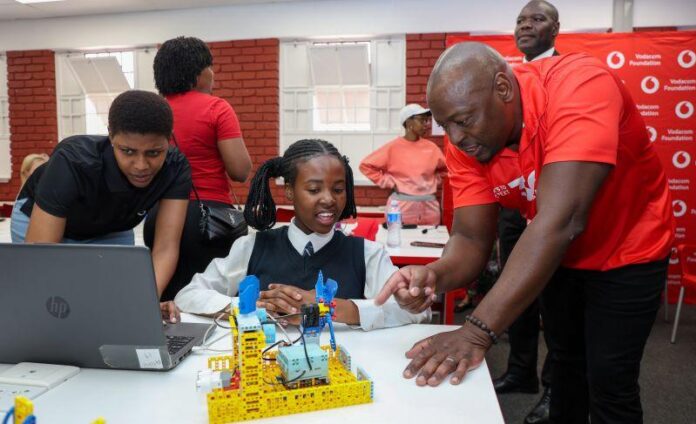
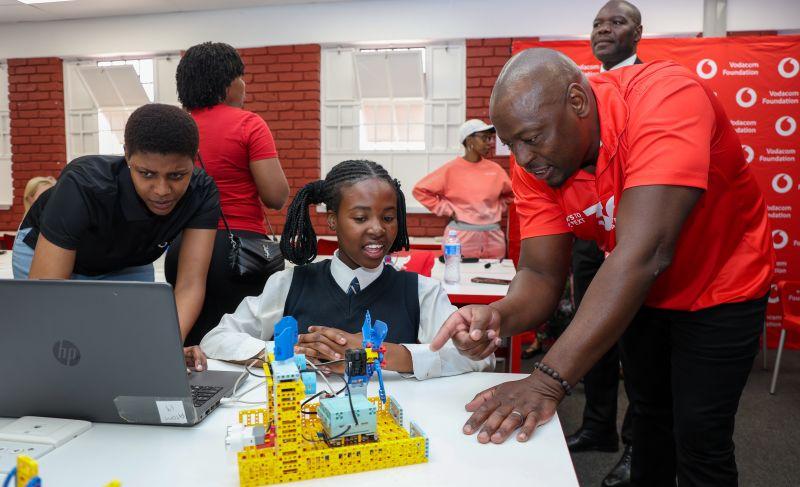
The partnership’s latest milestone, the AI for Africa Hackathon Challenge, brought university students together at Vodacom World in Johannesburg to develop AI-driven solutions addressing challenges across education, healthcare, community safety, youth employment, accessibility, water security and agriculture.
The initiative was announced by Vodacom on 12 October 2026. According to the company, more than 150 students signed up for the challenge, extending a collaboration that was first announced in July.
For South Africa’s technology sector, the development highlights the growing importance of connecting academic learning with the practical requirements of the digital economy.
From AI theory to real-world applications
Artificial intelligence is moving beyond experimental projects and becoming part of business operations, customer services, software development and decision-making. However, organisations need more than access to technology. They also require people who can identify suitable applications, assess risks, work with data and turn technical ideas into useful services.
Hackathons offer one way of developing these capabilities. Participants work within a defined period to explore a problem, design a possible solution and demonstrate how it could work. The process encourages teamwork between students with different interests, including software development, information systems, business analysis and user experience.
The Vodacom–UJ–AWS initiative focuses on practical challenges relevant to African communities. This approach is significant because the value of AI depends on how effectively it addresses real needs rather than simply demonstrating technical sophistication.
For example, an agricultural project might explore how digital tools could help farmers interpret information or manage resources. A healthcare concept could investigate ways to improve access to information, while a public-safety application might examine how data can support prevention and response.
Such examples illustrate potential applications rather than confirmed outcomes from the hackathon. Each solution would still require appropriate testing, privacy safeguards, technical validation and assessment before deployment.
Why the partnership matters to business
South African companies are under pressure to improve productivity, strengthen digital services and identify opportunities for innovation. Yet many employers face the challenge of finding people with relevant technical and analytical skills.
Collaboration between universities and industry can help narrow this gap. Universities contribute research expertise and emerging talent, while businesses provide exposure to practical challenges, professional expectations and potential commercial applications.
Vodacom says the broader partnership includes co-designed learning programmes, postgraduate research and industry mentorship. UJ’s Centre for Applied Data Science contributes academic expertise, while AWS provides access to cloud, data and AI technologies and computing resources.
This combination gives students opportunities to experiment with tools that may be used in professional environments. It also enables industry participants to engage with emerging ideas and understand how the next generation of technology professionals approaches complex problems.
The partnership is also exploring research into autonomous AI systems that could help detect, analyse and respond to cyber threats across telecommunications networks. Other research is investigating blockchain-based approaches to digital identity management and the prevention of identity theft.
These are areas of growing relevance to organisations that depend on secure digital infrastructure and reliable identity verification.
Opportunities for South African graduates
For students and graduates, practical AI experience may become an important differentiator in the employment market. However, technical knowledge alone will not guarantee employment. Employers also need professionals who can communicate clearly, understand business requirements, work collaboratively and evaluate whether a technology solution is appropriate.
The hackathon’s focus on societal challenges reinforces the value of combining technical and business thinking. Developing an application involves more than writing code. Teams must understand the people they are serving, the problem they are solving and the resources required to deliver a reliable product.
Businesses can support this talent pipeline through internships, mentorship, graduate programmes and partnerships with educational institutions. Smaller technology companies can also benefit by creating opportunities for students to work on carefully supervised projects that address genuine operational challenges.
The importance of responsible AI
As AI applications become more accessible, responsible development must remain a priority. Solutions involving healthcare, identity, personal information or public safety require particular care. Developers need to consider data protection, security, accuracy, fairness and the consequences of incorrect recommendations.
Organisations should also avoid treating AI as a substitute for human accountability. Automated systems can support decisions, but people must remain responsible for how systems are designed, evaluated and used.
For South Africa, building an AI workforce therefore involves more than training people to use new software. It requires developing the technical, analytical and ethical capabilities needed to create trustworthy applications.
A longer-term investment in digital competitiveness
The Vodacom, UJ and AWS collaboration illustrates how telecommunications companies, universities and cloud providers can work together to develop local expertise.
The long-term impact will depend on whether promising student ideas progress into further research, tested solutions, commercial products or public-interest applications. Continued mentorship and access to computing resources will be important if the initiative is to produce benefits beyond the event itself.
South Africa’s AI opportunity will ultimately be measured not only by the technology organisations acquire, but also by the skills they develop and the problems they solve.
As businesses evaluate their AI strategies, partnerships that connect education with practical innovation deserve attention. They may help create a stronger pipeline of talent capable of turning emerging technologies into meaningful economic and social value.
Read More: https://www.vodacom.com/news-article.php?articleID=17039