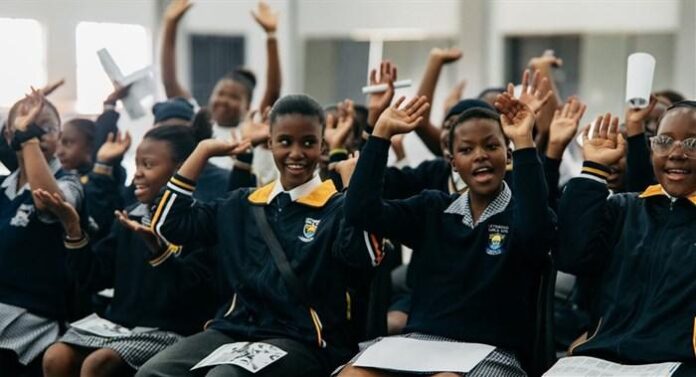

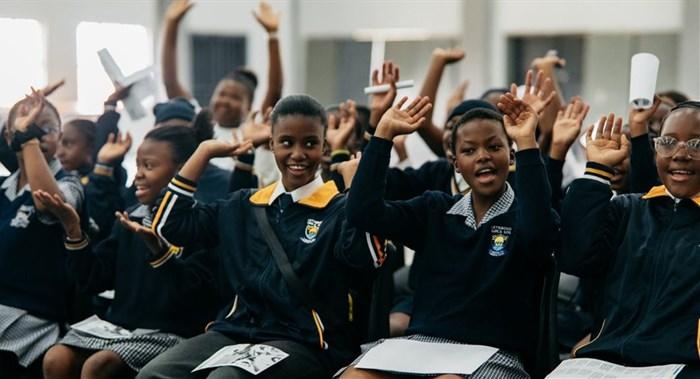
South Africa’s efforts to support girls’ education are receiving renewed attention through a collaboration between the Department of Basic Education, Unilever Dove and the Development Bank of Southern Africa (DBSA).
The partners announced a programme to mark the 2026 International Day of the Girl Child, observed internationally on 11 October. The South African commemorative event is scheduled for Monday, 12 October, at Die Wilge Special School in Potchefstroom, North West.
The programme is centred on the theme “Building Confident Leadership for Girls” and brings together learners, educators, government representatives and development partners.
According to the Department of Basic Education’s announcement, 240 learners, educators and other stakeholders are expected to participate in the main event. Preparatory school dialogues and workshops held from 6 to 9 October were intended to reach a further 1,000 learners.
The initiative highlights a dimension of education that extends beyond academic results: helping young people develop confidence, recognise their abilities and participate constructively in their schools and communities.
Confidence as part of educational development
School achievement is influenced by many factors, including teaching quality, access to learning materials, family circumstances and the support learners receive from adults.
Confidence and self-esteem are also relevant to how learners participate in classroom discussions, approach new challenges and seek assistance when they encounter difficulties.
For girls, the pressures associated with appearance, social expectations and peer relationships can affect their experience of school. Creating supportive environments can help learners develop a stronger sense of self-worth and become more comfortable expressing their views.
The programme brings together the Department of Basic Education’s reach within schools and Dove’s Self-Esteem Project, which focuses on helping young people build a healthier relationship with their appearance.
The DBSA is also participating in the partnership, bringing a development-sector perspective to the initiative.
The collaboration presents an opportunity to connect conversations about confidence with practical education and community support.
Moving beyond a commemorative day
International observances can create opportunities to discuss issues that may otherwise receive limited attention. Their lasting value, however, depends on whether activities lead to continued engagement after the event.
The October programme includes learner dialogues and facilitator-led workshops designed to encourage discussion around self-esteem, leadership and life skills.
The department has also highlighted the importance of safer and more inclusive school environments, including age-appropriate discussions about school-related gender-based violence.
Such conversations need to be handled sensitively, with appropriate safeguarding procedures and access to trusted adults who can assist learners experiencing bullying, harassment or other forms of harm.
Schools can support these objectives by encouraging respectful classroom participation, addressing discriminatory behaviour and making support channels clear to learners and parents.
Educators also play a central role. A learner who feels that her contributions are taken seriously may be more willing to participate in group work, explore leadership opportunities and consider subjects or careers that she previously viewed as inaccessible.
Linking confidence with future opportunities
Developing confidence is not a substitute for addressing structural barriers to education. Learners also need access to quality teaching, adequate facilities, career guidance and pathways into further study or employment.
Nevertheless, personal development initiatives can complement these broader measures.
Schools might build on the programme by supporting debating clubs, science groups, student leadership councils, mentoring relationships and career exploration activities. These platforms allow learners to practise communication, teamwork and decision-making.
For older learners, exposure to women working in technology, finance, engineering, education and entrepreneurship can broaden their understanding of possible careers.
Mentorship is particularly valuable when it helps young people connect academic choices with practical information about qualifications, training routes and workplace expectations.
Partnerships between schools, universities, companies and development institutions can also create opportunities for workshops, workplace visits and structured career guidance.
The most effective programmes are those that remain accessible to learners from different backgrounds and do not rely on a single event to produce lasting change.
The role of parents and communities
Families and communities can reinforce the messages promoted through school programmes.
Encouraging children to ask questions, learn from mistakes and pursue their interests can help create a positive environment for development. Parents and guardians can also help identify when a child needs additional academic, emotional or professional support.
Community organisations and businesses can contribute by supporting safe learning spaces, mentoring initiatives and opportunities for young people to develop practical skills.
For schools, the challenge is to create environments where girls are able to participate fully and where concerns about bullying, harassment or discrimination are taken seriously.
Turning commitment into sustained action
The 2026 International Day of the Girl Child programme provides a platform for South African education stakeholders to consider how confidence, leadership and learner wellbeing fit into broader educational objectives.
The partnership involving the Department of Basic Education, Dove and DBSA demonstrates how public institutions and private-sector organisations can work together around a shared social objective.
Its longer-term impact will depend on the quality of engagement, the continuity of school-based activities and the extent to which learners can access support beyond the commemorative event.
Supporting girls means more than encouraging ambition. It also means ensuring that learners have the educational resources, safe environments and opportunities necessary to turn that ambition into meaningful progress.